


G7 to Release 100 Million Barrels of Oil Reserves
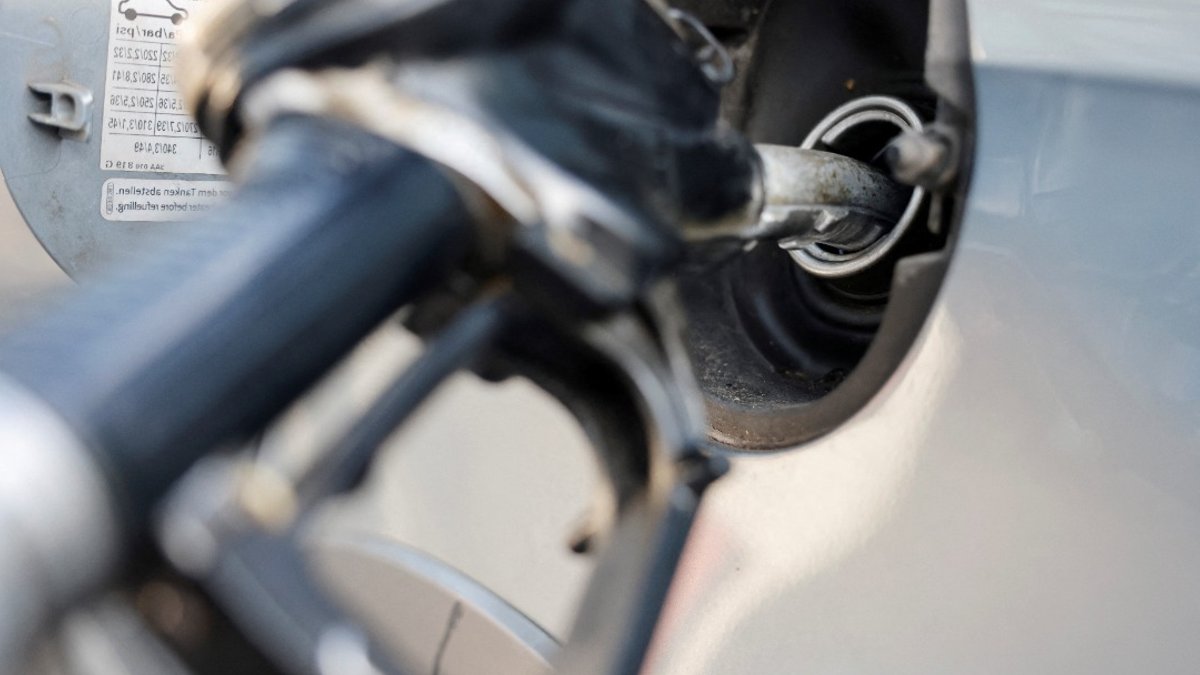
The Group of Seven countries have agreed to release 100 million barrels of diesel and crude oil from emergency reserves. This decision follows pressure from US President Donald Trump, who seeks to reduce surging fuel prices linked to the Iran war.
Coordinated by the International Energy Agency (IEA), this is the largest emergency stock release in history. The G7’s joint statement confirmed the release would start immediately and last four months, with a significant diesel release within 20 days.
While the statement did not detail volumes or participating countries, it emphasized that G7 members and partners would avoid imposing export restrictions on energy products among themselves.
President Trump welcomed the decision, noting that Europe has agreed to release a substantial amount of diesel oil. He aims to lower domestic fuel prices ahead of the November 3 midterm elections.
Reuters reported that the Trump administration previously warned Germany and France to reduce their emergency diesel inventories or face a potential US diesel export ban.
Energy Aspects analysts suggested the G7’s statement is a political gesture rather than a binding commitment, intended to dissuade President Trump from imposing a diesel export ban.
The EU has increased its imports of US diesel this year due to disrupted supply from Gulf producers caused by the Iran war. On Friday, EU governments discussed a French proposal to release 50 million barrels of diesel and for IEA members to release an equal amount of crude oil.
A 50-million-barrel diesel release would represent about 17% of the EU’s total emergency stocks of diesel and gasoil, according to Eurostat data. This move has already impacted markets, with US diesel futures falling over 4% and European diesel futures dropping more than $90 per metric tonne.
In March, the IEA released 400 million barrels of strategic reserves. Fatih Birol, the IEA’s executive director, noted that members have released about two-thirds of those volumes so far.
For consumers, this could mean some relief at the pump, as the release aims to stabilize fuel prices. However, the long-term impact remains uncertain due to ongoing supply disruptions and geopolitical tensions.


