


Lukas van Loggerenberg builds wine empire from passion
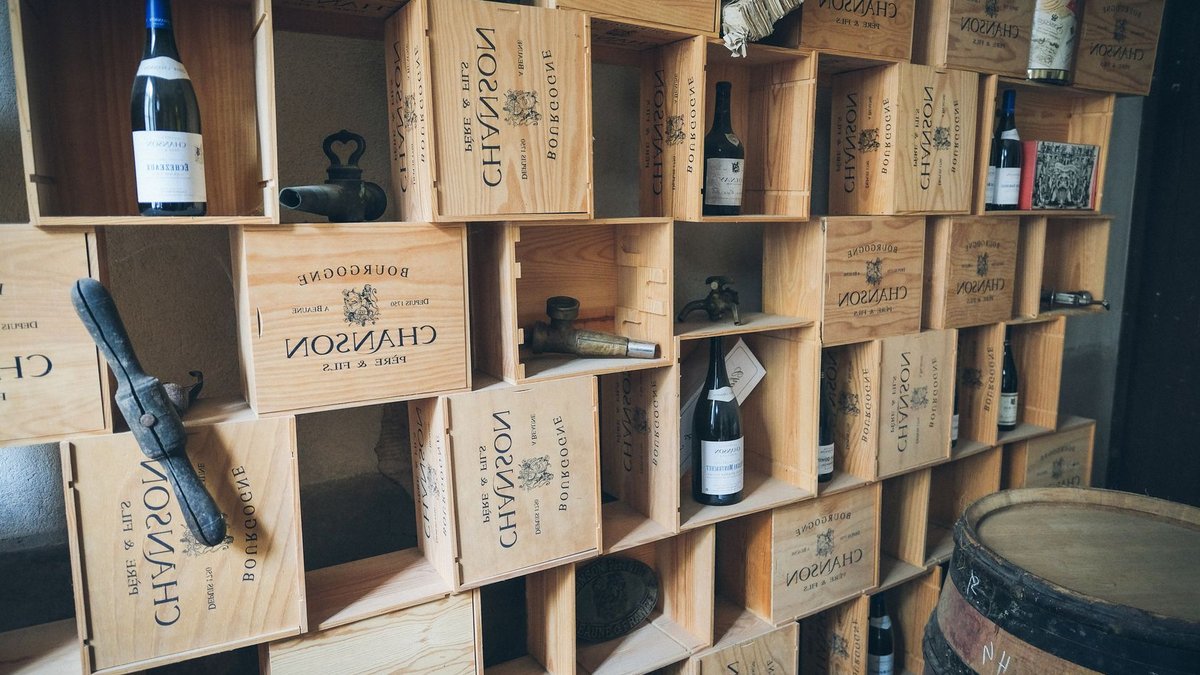
Lukas van Loggerenberg transformed a small wine operation into a business shipping over 5,000 dozen bottles annually. The growth happened in less than ten years, a pace few in the industry achieve.
From treadmill to traction
The first vintage in 2016 cost more than it returned. Grapes, cellar fees, barrels, bottles, and packaging all required upfront payment. Distributors and retailers took months, sometimes a year, to settle invoices. When the second harvest arrived, van Loggerenberg needed funds for the new crop before the first had paid off.
This cycle is known in the industry as the “Sisyphus treadmill.” Expansion demands more fruit, which in turn requires more cash. Even with rising sales, the need to finance the next vintage never disappears.
His success wasn’t just about quality wine, though that was essential. Many winemakers produce excellent products yet still face financial strain. Van Loggerenberg’s advantage lay in the narrative he crafted.
A pitch that feels like a conversation
The wines follow a low-intervention approach: old vines, minimal oak, and natural ripeness at lower alcohol levels. Labels like Kamaraderie, Graft, and Trust Your Gut reflect personal stories. Kamaraderie honors the friends who helped launch the brand, while Graft references his grandfather’s advice on persistence.
Related: Pay literacy crucial for South Africa’s future
The message remains consistent. The winemaker steps back, letting the grapes, land, and process take center stage. Van Loggerenberg often says the wines “make themselves,” reinforcing the hands-off philosophy. This isn’t false humility but a deliberate strategy to prioritize the product.
That strategy has earned trust. Retailers and consumers appreciate transparency, especially in a market saturated with overworked wines. The entry-level Break a Leg sells for under R200 a bottle. Premium cuvées range from R350 to R750, offering local character at prices competitive with imports.
After ten vintages, the business shows steady progress. Half the production consists of the affordable line, while the rest targets higher-end buyers. Growth hasn’t been uniform—some years were tighter—but the overall direction is upward.
What’s in the bottle
Most of his wines deliver on quality. The Trust Your Gut Chenin (2025) disappointed in a recent tasting, showing fatigue from prolonged exposure. A fresher bottle would have been crisper. The Kamaraderie blend, however, performed well—intense and linear with a saline finish.
His two cinsauts stand out. Geronimo offers a fragrant, pinot-like profile, while Lötter, sourced from a 1932 vineyard, is built for aging. The Breton Cabernet Franc, his favorite, is tight and textured with fine tannins. The Graft Shiraz leans into floral spice, featuring pink peppercorns and violets—closer to a Côte-Rôtie than most South African examples.
Related: Strategies for Sourcing Industrial Suppliers in Vietnam
At R750, it offers strong value compared to Northern Rhône wines of similar quality.
The real challenge isn’t just maintaining wine quality. It’s whether the story remains compelling as the business expands. Low-intervention winemaking depends on access to old vines and patient farming. If demand outpaces supply, the risk is dilution—either of quality or the brand’s core identity. So far, van Loggerenberg has scaled without losing what made the wines distinctive.
Few wineries manage this balance. Most either remain small or compromise their principles. Those that grow often prioritize marketing over authenticity. His approach bets that authenticity can scale. The coming vintages will reveal whether that holds true.
For now, sales continue. The treadmill persists, but the outlook is far brighter than in 2016.

Pay literacy crucial for South Africa's future


