


Middle Powers Face Tough Choices in New World Order
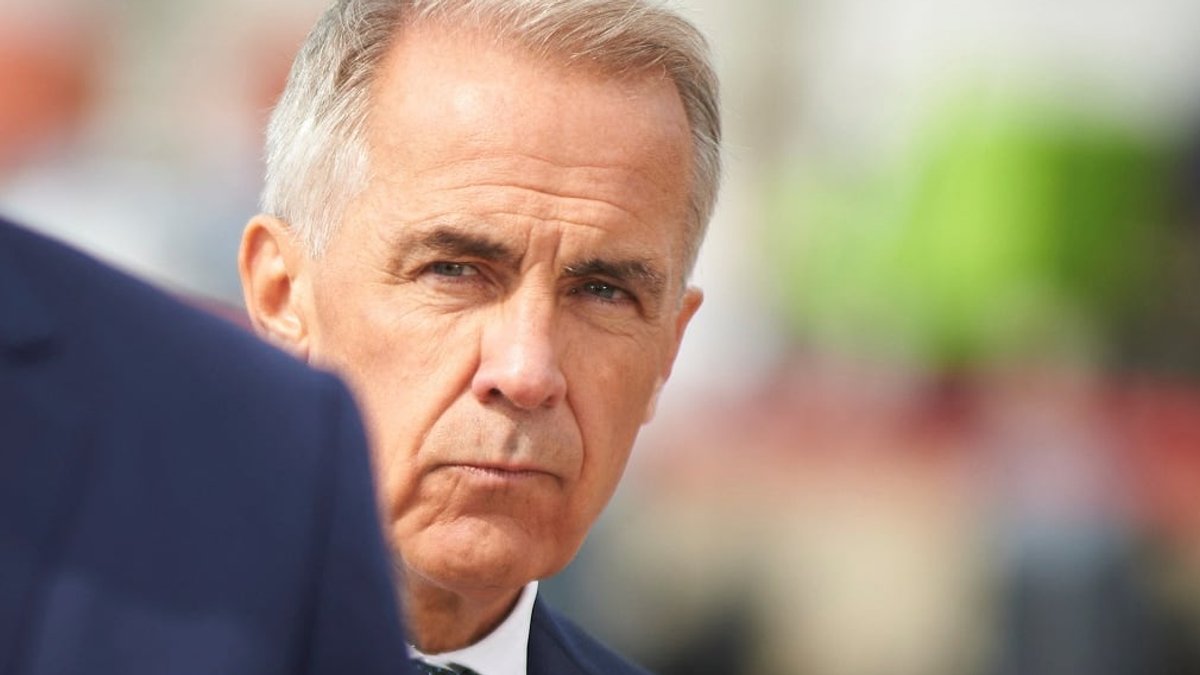
RICHARD CALLAND writes that middle powers face tough choices in shifting global order.
History repeats itself
The world has lurched rapidly from the post-World War 2 bipolarity of the Cold War to a brief and hubris-filled period of American unipolar hegemony after the Berlin Wall fell in 1990, to the new so-called multipolar world. We have been here before when France, Britain, Austria-Hungary, Prussia and the Ottoman Empire jostled for dominance throughout the 19th century. Nongreat powers must figure out how to safely handle this new era of great power competition. One of the lessons of the 19th century is that there were constant, shifting alliances, forming and falling apart and then reforming as context changed and, in particular, as the predatory hegemonic ambitions of the great powers threatened smaller nations’ interests.
Related: ANC touts progress, admits to broken promises
Which is why the mounting debate about middle powers and South Africa’s position as a member of this diffuse but significant club matters. A newish word in the international relations lexicon, plurilateralism, also enters the fray, as multilateral processes and institutions are collateral damage to the elephants’ rampage. Plurilateralism is a governance approach in which a subset of countries in a broader international framework negotiate legally binding, sector-specific agreements. It may be a stretch to think middle powers with as diverse a set of interests as Norway, Mexico, Indonesia, Canada, South Korea, Nigeria and South Africa can find such agreement. But can a looser, less formal, set of relationships achieve the “strategic autonomy” Canadian Prime Minister Mark Carney speaks of as the lynchpin of middle power collaboration? This is just one of the many complex questions foreign policymakers must tackle, including the vexed question of who to ally with and on what basis.
The hard choices for Pretoria
In the left corner, so to speak, Yacoob Abba Omar argued on these pages in April that Pretoria must face up to the implications of its choices and work harder to build good relations with other African states. Opposite him, Peter Bruce argued in the Sunday Times last weekend that South Africa must shed some of its current relationships with other global South actors on the basis that to be a middle power one needs to be “nonaligned”. With respect, this confuses nonalignment with neutrality (though confusingly he also argues that we should align with the West over Ukraine). Somewhere in the middle sits former deputy finance minister Mcebisi Jonas’s treatise on the same pages, in which he argued that development should be the binding glue for middle power collaboration. What links these three points of view is that Pretoria will have to make choices, principally about who it aligns with and how close the relationships should be.
Related: Gauteng opens biggest nature reserve to private operators
But the starting point, to build on Jonas’s point, must be diagnostic: what is the problem statement middle powers must respond to? This in turn requires a clear-sighted grasp of the major systemic global trends. I have identified 12: The decline of US dominance. The rise of China. The decline of the EU — the “nicest bit of the West”. The emergence of new powers such as Brics+, which is where middle powers come in explicitly. The breakdown of the post-1945 “global order” and “rules-based system” and the rise of economic nationalism and trade fragmentation. Africa’s inflexion point, the world’s big growth opportunity and an opportunity for the continent’s economies to escape the “extractive” legacy economic paradigm. Resource scarcity, especially the contest for control of critical minerals and “new economy” supply chains. The postaid world, a shift from development aid to investment. Climate breakdown, from mitigation to consequence management as the world warms. An unstoppable energy transition. Technology competition and digital sovereignty, most obviously AI. New means of warfare. It is a complex, bewildering docket. So middle power leaders better get to work, and fast.
Calland is a visiting associate professor at the Wits School of Governance. This column draws on a presentation on geopolitics he made this week to the MTN Group Annual Fintech Summit.

ANC touts progress, admits to broken promises


