


Gauteng opens biggest nature reserve to private operators
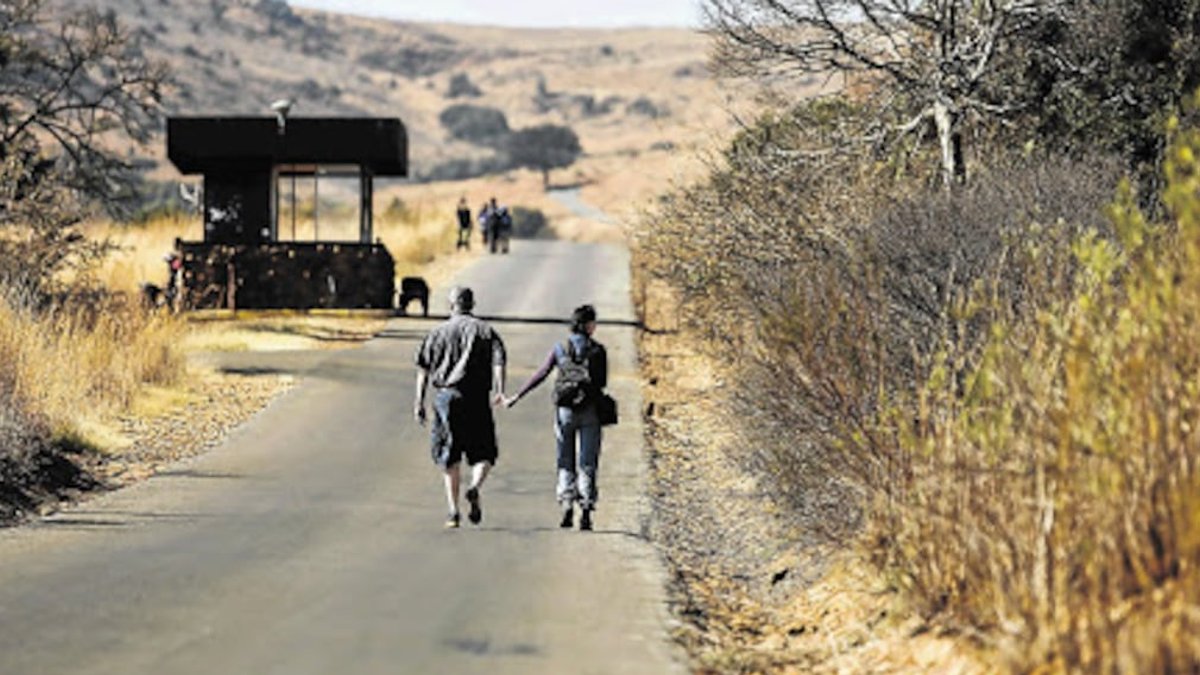
Gauteng province has opened the Suikerbosrand Nature Reserve to private operators in a bid to unlock the potential of the province’s largest state-owned park. The Gauteng government on Friday issued a request for proposal, inviting bids from tourism and hospitality groups to operate the 18,000-hectare reserve between Heidelberg and Alberton for at least 25 years. This move signals a shift toward private sector custodianship of state assets as the provincial government seeks to address the financial strain of maintaining aging infrastructure.
They will retain the title to the land and assets, while the private operator pays a monthly lease fee. The department of environment set a minimum requirement of R80,000 per month. Revenue generated through these public-private partnership fees will go directly to the province, allowing officials to focus on core conservation activities.
The concession agreement mandates strict compliance with environmental standards and existing permits. It is responsible for upgrading and refurbishing facilities. At the end of the 25-year term, the facility reverts to the department. Concessionaires do not have an automatic right of renewal, though the incumbent bidders will be eligible to reapply when the contract expires.
The reserve was valued at R3 billion in 2009. It is one of five state-owned parks in the province. Premier Panyaza Lesufi leads the project. Critics have long pointed out the dilapidated state of the reserve, where most tourism accommodation and conference facilities are currently non-operational. The reserve can accommodate about 1,900 people, but most of the amenities, including a hotel and restaurant, remain closed.
Related: Lukas van Loggerenberg builds wine empire from passion
Companies interested in the tender must include private funds and indigenous landowner communities in their bids. The department has a mandate to promote equity ownership for these communities. Procurement documentation will specify the equity set aside for participation in commercial activities. This requirement ensures that local populations have the opportunity to secure shareholding on commercial terms within the public-private partnership concessions.
While the prospect of private investment brings hope for restored facilities, the history of similar state assets in South Africa suggests a difficult path ahead. Many parks and public facilities that have been handed over to private operators struggle to maintain the rigorous environmental standards required by law. The state often retains the land but lacks the funds to enforce those standards once the daily maintenance burden shifts to a private entity. This arrangement places the financial risk entirely on the concessionaire, which may struggle to turn a profit if tourism numbers remain low.
The reserve features self-catering accommodation in 29 units across three locations. It also includes a full-service caravan park with 240 stands and a conference centre capable of hosting 120 delegates. Day visitors can enjoy cycling routes, a restaurant, swimming pools, and picnic spots. Hiking trails with overnight huts provide options for longer stays.

Johannesburg seeks private funds to revive CBD


