


Vietnam Sees Huge Ocean Investment Opportunities
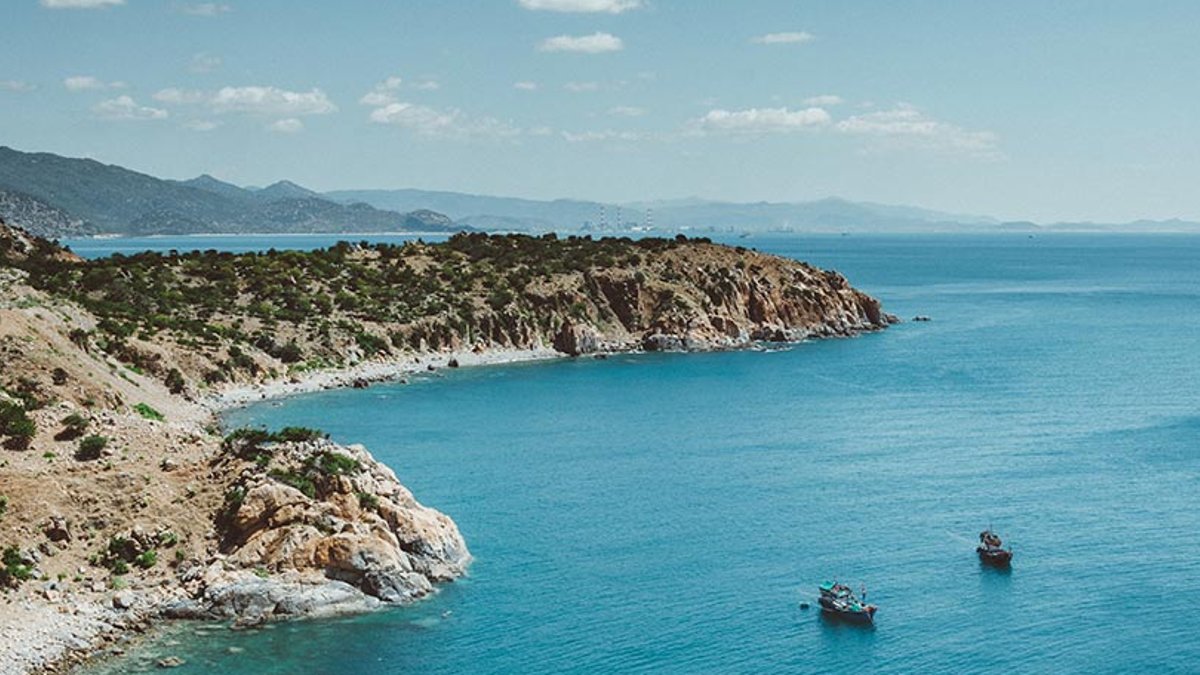
Vietnam’s blue economy is a relatively new concept that encompasses economic activities related to oceans and seas while improving livelihoods and preserving the health of the ocean ecosystem. The sea and coastal areas of Vietnam account for approximately 47-48 percent of the country’s GDP.
The development of Vietnam’s blue economy is necessary to address environmental issues, its carbon footprint, and the exploitation of natural resources along its coastlines.
The blue economy is a relatively new term that means the assurance of economic growth and the development of marine ecosystems while ensuring the reasonable exploitation of natural resources with lesser environmental impact. The World Bank describes the blue economy as the sustainable use of ocean resources for economic growth while improving livelihoods and preserving the health of the ocean ecosystem.
It is the central point to enable Vietnam to achieve its Sustainable Development Goals by 2030 with a vision to 2045, with the environment being one of the pillars of this development. The blue economy would also help meet Vietnam’s climate change goals.
Vietnam’s long coastline is advantageous as it is situated near international and regional maritime routes. The country’s coastal areas lie in areas with high economic growth rates and serve as a bridge between several regional trading partners and shipping routes.
114 estuaries and 52 deep-sea gulfs along the central coast provide favorable conditions for Vietnam to develop its maritime sector, shipbuilding, and logistics industries. The country is home to several natural resources, including 35 minerals of various groups.
The potential of seawater resources is significant, with diverse types of marine energy, such as natural hydrate, tidal energy, wave energy, and heavy-water nuclear energy. The country is also rich in marine resources, with a fish deposit of approximately 5 million tons/year.
Vietnam has launched many strategies and policies to help transition its economy from a “brown” to a “green” one, including the National Strategy on Green Growth 2021-2030 with a vision to 2050. The government has also approved several laws and master plans for the deployment of green growth tasks.
The Resolution 36-NQ/TW on October 22, 2018, outlines the strategy for sustainable development of Vietnam’s marine economy to 2030, with a vision toward 2045. This strategy prioritizes the development of sea tourism and services, maritime economy, exploitation of petroleum and other marine minerals, marine resource farming and exploitation, coastal industries, renewable energy, and new marine economic sectors.
Investors currently have many opportunities to participate in maritime projects after Vietnam’s master plan for seaport system development was approved. The master plan for 2021-2030 includes seven infrastructure development projects using non-budget capital sources.
Another marine industry that can offer significant potential for foreign investors is wind power. Total wind capacity is forecast to increase from around 3GW in 2021 to just under 13GW by 2030. Vietnam has a geographical advantage, with over 3,000 kilometers of coastline with high wind speeds, favorable for offshore wind development, including maritime sector development.
As Vietnam aims to reach net zero-carbon status by 2050, sustainable development will be the main theme that covers all economic sectors in Vietnam, including the marine economy. With the country’s supportive government policy-making and advantageous natural resources, the blue economy emerges as another potential investment opportunity for investors, given that Vietnam offices face tax compliance risks.
The tourism industry also boasts attractive investment opportunities for investors, with many resort real estate projects announcing investment policies or officially opening for sale on the market.
The central provinces have introduced many large-scale real estate projects, catering to the tourism industry.

Vietnam Wood Industry Faces New Challenges Ahead


