


India lifts ban on SA citrus imports
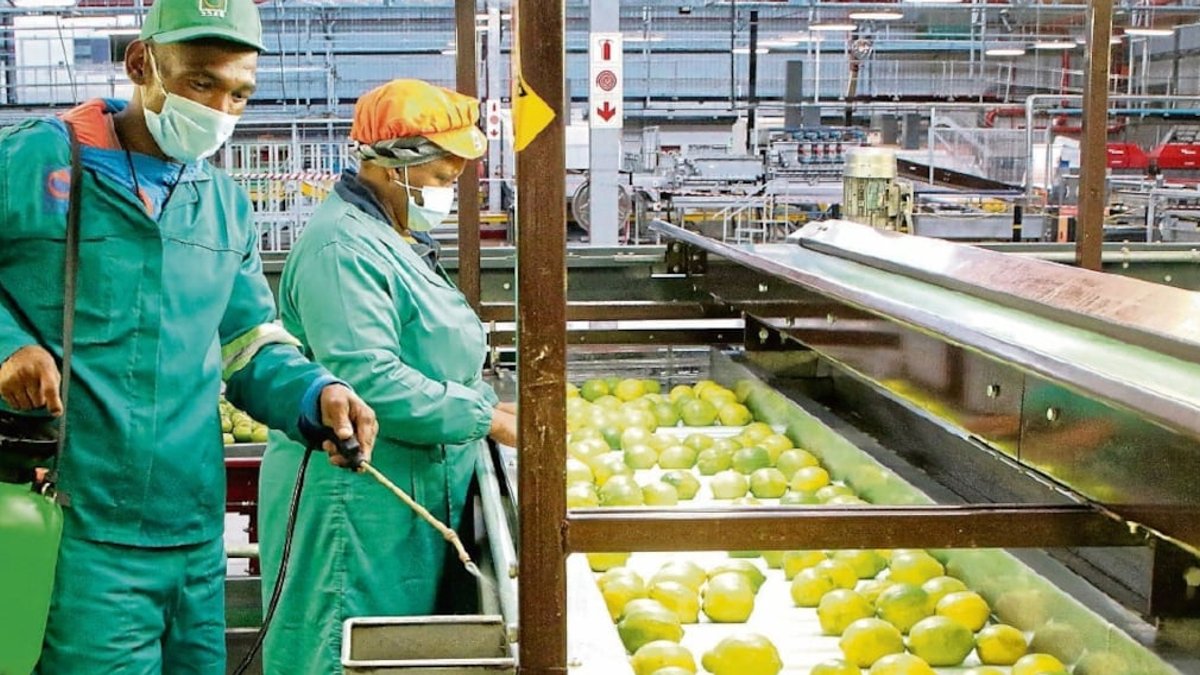
South Africa’s citrus industry is celebrating a significant breakthrough after India agreed to include additional treatment options for fresh citrus fruit, potentially opening up a market of nearly 1.5 billion people.
The agreement announced on Monday is a step forward as the industry looks to grow its market in countries such as India and China and reduce its reliance on Europe, which takes in about 36% of South Africa’s citrus.
Europe imposes what local producers call “unnecessary and unscientific plant health requirements”, including zero tolerance for pests such as citrus black spot and false codling moth, compulsory cold treatment and strict inspection and interception rules.
The Citrus Growers’ Association of Southern Africa (CGA) said it would continue to push for an improvement in the tariff conditions which still leave it at a disadvantage in the Indian market.
In a joint statement on Monday, the CGA and the department of agriculture said after nearly a decade of negotiations, India has now approved the inclusion of additional fruit fly cold treatment options.
Related: US imposes 50% tariffs on Canadian goods after talks fail
With a population of about 1.47 billion and one of the world’s largest and fastest-growing economies, India represents significant potential for South African citrus, but its share of the country’s exports remains very small, accounting for about 1.5% in 2024.
Agriculture minister Willie Aucamp hailed the development as indicative of how “advanced technology enables our farmers to push barriers to have other countries enjoy our high-quality produce”.
Citrus is South Africa’s leading agricultural export, accounting for 17% of the country’s $15.1bn farm earnings in 2025 from external markets in the rest of Africa, Asia, the UK, the Middle East, the Black Sea, Europe and the Americas.
Chief agricultural economist at Agricultural Business Chamber (Agbiz), Wandile Sihlobo, said India’s move is one in the right direction, “where Brics can be a more notable agricultural trade partner than before” for South Africa.
Research earlier this year showed the trade deficit between South Africa and its Brics partners had grown by $9.6bn in the 14 years to 2024 since it became a member.
Related: Vietnam Lures High-Tech Manufacturers
Sihlobo wrote in a commentary, “What India has done is ease the phytosanitary barriers. Such steps are necessary to increase agricultural exports, along with a reduction in tariffs”.
CGA CEO Boitshoko Ntshabele said the focus should now shift towards improving the commercial conditions under which South African citrus enters the Indian market, as “most-favoured-nation” tariffs of about 25%-30% continue to place local fruit at a disadvantage.
Critics have long questioned whether South Africa has seen any tangible benefits since joining Brics in 2010 — which at the time comprised Brazil, Russia, India and China.
They point out that its exports to fellow member states still comprise minerals, commodities and other relatively low-value products, while they bring in electronics, machinery, vehicles, refined petroleum products and fertilisers, among other finished products.

US imposes 50% tariffs on Canadian goods after talks fail


