


New Sausage Cookbook Proves Tasty Not Terrible
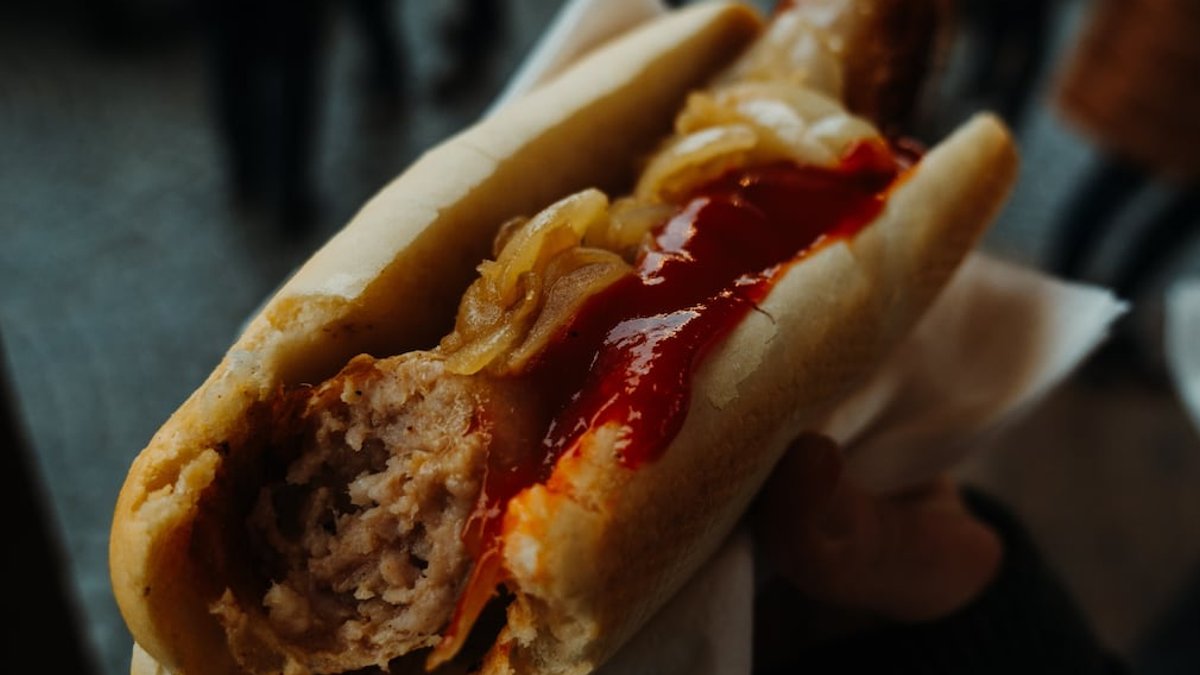
British food writer Max Halley has turned his attention to the world of cured links with the release of Cooking with Sausages, a cookbook that devotes its entire page count to dishes built around the humble meat tube.
Author’s mission for the battered staple
Halley, whose previous titles have focused on sandwich creativity, describes the new volume as a “sausage manifesto.” He argues that the link, often dismissed as cheap and interchangeable, deserves a place at the centre of home cooking. “Cheap, versatile and utterly delicious when made and cooked with care, they are one of God’s gifts to gastronomy,” the author writes.
According to the book’s introduction, the goal is to shift public perception and encourage shoppers to demand higher‑quality links made with better ingredients. He calls for “Let this be the dawning of a new day — the sausages deserve it, and so do we,” where the item is treated with respect, not merely as a filler for quick meals.
The work is split into two sections. The first offers recipes that keep the casing intact, ranging from simple hot‑dog assemblies to more elaborate braises. The second explores what can be done once the meat is removed from its skin, a technique the writer says works with most, though not all, varieties.
From hot‑dog basics to bold experiments
One of the opening recipes is titled “Cheapest shop‑bought everything hot dogs and the joys they bring.” It promises ten servings in ten minutes, using standard Vienna or bratwurst links placed in a bun with ketchup, mustard, diced onion and chopped jalapeños. The author suggests swapping the meat for regional favorites such as South African boerewors and pairing the sandwich with long‑fried onions for added texture.
A reviewer who tested the dish noted that the preparation was straightforward, though they trimmed the sauces to achieve a cleaner bite.
Another entry, “Smoked sausage potato salad with sauce gribiche,” combines the product with boiled potatoes, a mustard‑based dressing and smoked aromatics. The tester found the salad filling but labor‑intensive, noting that a German‑style potato salad with bacon would be quicker and equally satisfying.
The final recipe examined, “Hungover sausage pasta,” calls for the meat extracted from the casing, two bulbs of garlic, and a generous amount of tomato sauce. The author claims the dish can cure hangovers and even repel vampires, a tongue‑in‑cheek claim that the evaluator found amusing but not convincing.
The book is surprisingly approachable.
How this effort stacks up against past attempts
While dedicated cookbooks on specific ingredients are not new, few have focused solely on this particular type of cured meat. In the past, similar niche volumes have either succeeded by offering fresh techniques or faltered when the recipes felt repetitive. Halley’s approach of pairing the intact link with its stripped‑out counterpart is a modest twist that mirrors earlier attempts to re‑imagine the ingredient beyond the grill.
Nevertheless, the volume’s ambition to raise the sausage may be hampered by the limited novelty of many of its dishes. The reviewer found that, aside from the hot‑dog and the garlic‑laden pasta, most recipes did not deliver a compelling reason to replace more familiar preparations.
Final assessment of the collection
Overall, Cooking with Sausages is not the worst cookbook on the market, but it also may not become a kitchen staple for most home cooks. The author’s enthusiasm is evident, yet the selection of dishes sometimes lacks the “sizzle” needed to inspire repeat use.
For readers seeking a single reliable link‑centric pasta, the reviewer recommends Nigel Slater’s well‑known recipe of sausage, basil and mustard, which appears in a major food magazine’s best‑ever list. That dish, while not featured in Halley’s book, demonstrates that the sausage can shine when paired with complementary herbs and a balanced sauce.
In short, the volume offers a respectable range of ideas, from the ultra‑simple to the moderately complex, but it may not convince seasoned cooks to overhaul their existing repertoire. Those curious about experimenting with the meat’s seasoning potential will find a few worthwhile experiments, while others might stick to tried‑and‑true classics.

Chinese brands spark South African appliance price war


