


Baird: Ten Years Fighting Chicken Dumping
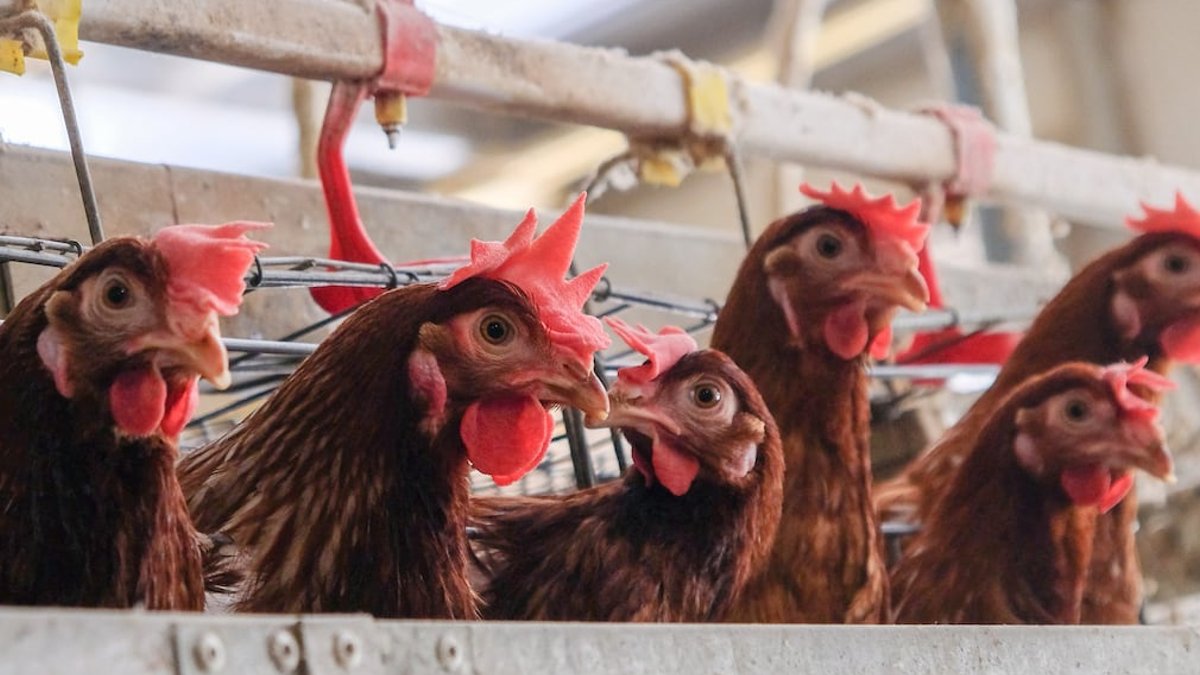
South Africa’s poultry industry is facing renewed pressure from imported chicken, a decade after FairPlay first challenged what it calls “dumping.” The FairPlay Movement, which began challenging the practice ten years ago, has watched nine countries face penalties for selling chicken below cost in the local market. The government and industry groups, including the Association of Meat Importers & Exporters (AMIE), signed a “chicken master plan” to boost local production. Today, the country boasts the second-most competitive poultry sector in the world, yet the importers are reportedly back at the same tactics, arguing for protection measures to be lifted.
Why cheaper chicken isn’t coming from imports
Removing tariffs will not make chicken cheaper for local consumers. The report states that imported chicken sells at, or just below, the local price rather than its landed cost. Importers use the local price as a reference point to buy low and sell high, which drives South African producers out of business. This dynamic was evident after provisional antidumping duties lapsed in June 2022. Over the following eight months, frozen portion prices rose 6.3% compared to the period before the duties were in place. The final duties were suspended for a year starting in August 2022, with a similar result.
This behavior is described as predatory trade. The reference price is essentially the South African cost of production. Lowering that production cost is the only way to make chicken cheaper for consumers. The master plan aims to achieve this through economies of scale and new capacity, but predatory imports inhibit that growth. Antidumping duties are recommended by the International Trade Administration Commission of South Africa (Itac) when it finds dumping, a standard tool for creating a level competitive playing field. The purpose of the master plan is to encourage a resilient sector that can supply the domestic market while developing export potential and creating opportunities throughout the agricultural value chain.
Despite facing significant hurdles such as unreliable electricity, expensive water, tattered transport infrastructure, and the R9 billion loss from bird-flu culling, local farmers have maintained a constant supply of affordable chicken. These farmers are the largest users of local grain and soya, employing about 110,000 people in rural areas. Poultry anchors the country’s largest agricultural value chain, with gross production value approaching R88 billion in 2024. Broilers consume 43% of the maize used for animal feed and most of the soya, making feed costs about 70% of the total expense of raising a bird.
Related Post: Pay literacy crucial for South Africa’s future
The master plan and export failures
Instead of using the master plan to grow exports and lower the cost of chicken for all South Africans, the AMIE has reportedly done nothing. The association is again calling for protection, despite a decade of inactivity, rather than exporting South African chicken. The FairPlay founder argues the quickest way to cut the price for low-income consumers would be to scrap the 15% VAT on chicken. Removing the tax would lower the price immediately. This proposal has been submitted to the Treasury and campaigned for by FairPlay since 2018, with a new submission lodged in 2024 prepared by ENS for the South African Poultry Association and AMIE jointly.
Producers and importers already support the VAT-free proposal. Cheaper chicken would increase volume, leading to more production, jobs, and activity in feed, processing, and distribution. Phase 2 of the master plan seeks to increase affordability for low-income households. Zero-rating VAT would deliver this goal tomorrow if implemented. The international environment complicates this ambition, as the US levies an arbitrary 12.5% on exports to the US from South Africa. In return, their chicken can be dumped in South Africa free of antidumping duty. Concessions under the US’s African Growth & Opportunity Act demonstrate the difficulty of balancing trade commitments with domestic food security and job growth.
With South Africa’s preferential access to the US market under threat and unemployment higher than before, the sustainability of these arrangements requires careful consideration. Whatever the government decides, it should not heed the “do-nothing exporters” who want to reap fatter profits and grow foreign jobs by persuading the SA government to allow dumping again. This creates a conflict where domestic food security and rural development are pitted against the interests of foreign markets. The FairPlay Movement maintains that lowering local costs is the only sustainable path to affordability.

New Sausage Cookbook Proves Tasty Not Terrible


