


Chinese brands spark South African appliance price war
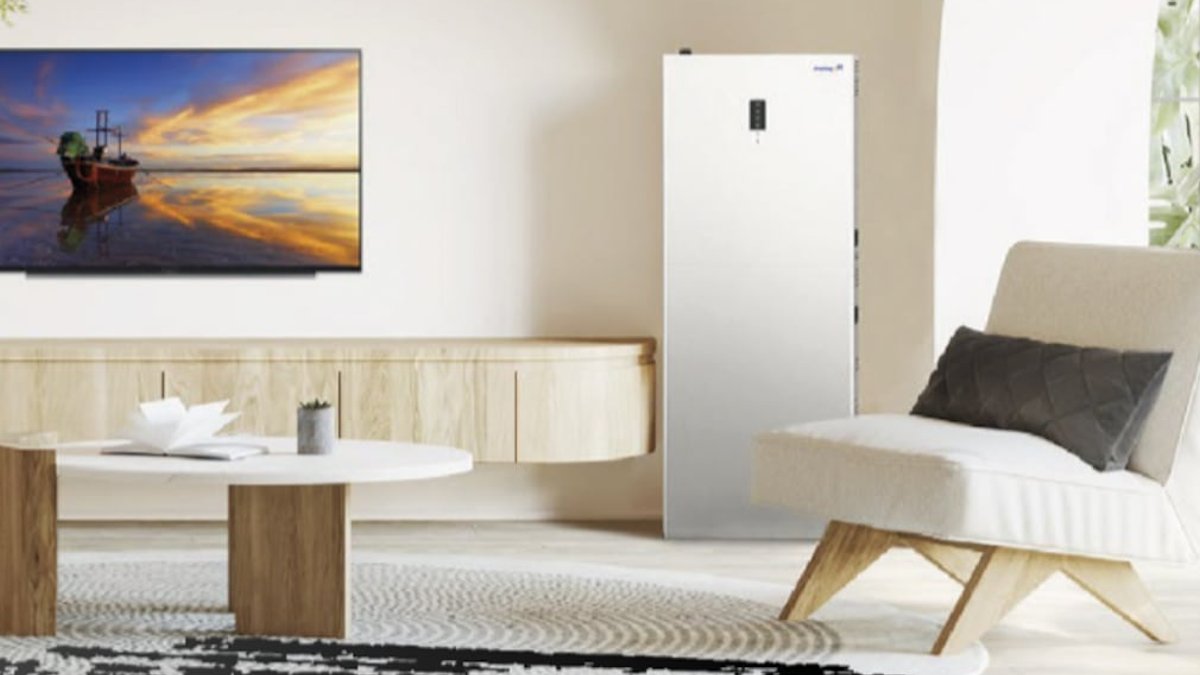
Established appliance and consumer technology brands in South Africa are facing growing pressure as shoppers become more cautious and prioritize value. The shift is reshaping the market, according to NielsenIQ (NIQ) South Africa, which reported that emerging Chinese manufacturers significantly impacted key sectors during the first half of 2026. Zak Haeri, the managing director at NIQ South Africa, noted that the influx of these new competitors has introduced intense pricing pressure across the board.
The broader technology and durables sector has weakened considerably. NIQ’s analysis shows that the market fell 5.8% in value, while unit sales dropped 2.6%. This decline reflects a consumer base extending the time between replacements and carefully weighing costs. South Africa’s home appliances market is estimated at $3.67bn (R58.68bn) in 2026, according to Mordor Intelligence, and is forecast to reach $4.77bn by 2031.
Related: Audi Q5 debuts in SA with bold new look and digital luxury
Established players such as Defy, Whirlpool, Samsung and LG account for about two-thirds of the market’s revenue, while Chinese brands including Hisense, Midea and TCL continue to build their presence through price competition and local manufacturing and assembly. Local production is a key weapon for these new entrants. Hisense operates a manufacturing plant in Atlantis, Western Cape, giving the company a local production base, according to Mordor. Chinese brands are also competing in a market where consumers are increasingly focused on affordability. Consumers will invest in new products when purchases solve immediate practical needs, improve efficiency, or offer strong value for money, Haeri said.
The competitive pressure also extends beyond formal retail. Mordor has identified grey market cross-border imports as a challenge for authorised dealers, particularly in provinces close to South Africa’s borders. Grey-channel traders exploit currency gaps by moving parallel-import stock through border provinces, undermining authorised dealer pricing and warranty perceptions. Local assembly efforts — exemplified by Hisense’s Atlantis plant — soften but do not eliminate component-cost exposure because compressors, motors and chips are still sourced offshore. The net effect trims the forecast compound annual growth rate by roughly 0.9 percentage points, according to Mordor. Regulatory action has also highlighted pressure in the appliance market. In April, the International Trade Administration Commission of South Africa imposed antidumping duties on fully automatic top-load washing machines imported from China and Thailand.
Related: Vietnam’s middle class reshapes consumer markets
The information technology category was particularly weak, with sales value falling 10.7% and unit sales declining 2.3%. Average selling prices fell 8.6%, pointing to increased competition and promotional activity. The major domestic appliances market was down 0.5% in value though unit sales increased 2.1%. Average selling prices fell 2.5%. Flat screen TVs also recorded a decline in value, falling 6.6%, despite unit sales increasing 4.5%. Average selling prices dropped 10.7%.
For technology products, NIQ said consumers were not necessarily abandoning purchases but were delaying upgrades and keeping devices for longer. In the IT and smartphone segments, consumers appear to be postponing upgrades rather than rejecting technology altogether, Haeri said. Telecoms, the largest category in South Africa’s T&D market, was the only major category to record sales-value growth, increasing 1.1%. However, unit sales fell 7.9% while average selling prices rose 9.8%. Business Day.

Audi Q5 debuts in SA with bold new look and digital luxury


