


EU proposes special status for Canada
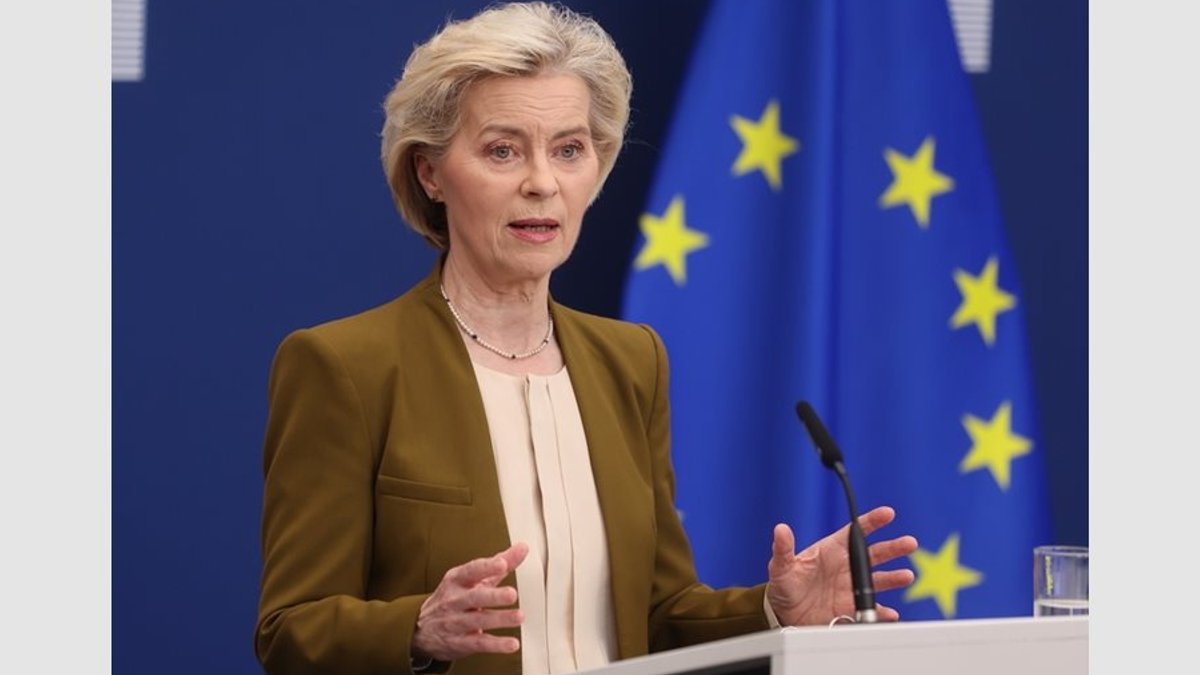
The European Commission’s proposal for an “associated membership” status for Canada has been met with enthusiasm in the European Parliament. However, member states have already tempered expectations, noting that EU treaties do not mention such a status.
The proposal does not mean Canada will join the single market or be subject to EU directives in the near future. It is currently a gesture that, without a legal definition, risks meaning nothing or evolving into an expanded version of the CETA trade agreement.
As the United States distances itself from its allies, the EU has an opportunity to position itself as an alternative geopolitical pillar. New forms of association could help the EU develop its capacity to operate as a true global power.
To succeed, the “associated membership” status must be limited in scope but deep in content. It should not include access to the single market or free movement, but could form the basis for a unique alliance in security, defense, and resilience.
The Commission must quickly define what associated membership means, with a timeline and clear goals. This would also reassure candidate countries that others are not jumping the queue. They must prevent the proposal from failing before it starts.
Read Also: Lithuania Prepares Evacuation Plans Amid Russian Threats
A key area for cooperation is defense, where both sides depend on the US and face similar threats. Easy moves could include Canada’s deeper participation in the EU’s PESCO defense cooperation program or a role in future EU security missions. The EU and Canada could work together to address common security concerns.
A more ambitious step would be for Canada to become a full member of the EU’s defense technological and industrial base. This would integrate Canada into the European security architecture and give EU member states access to Canadian expertise and industrial capabilities.
However, France’s protectionism could be an obstacle. The French ambassador to the EU recently advocated for stricter rules, which would limit access to defense funding for non-EU companies. This could hinder Canada’s ability to participate fully in EU defense initiatives.
The European Commission’s proposal has the potential to strengthen ties between the EU and Canada. If successful, it could lead to increased cooperation in areas such as security and defense. The Commission and EU member states must work together to define the terms of associated membership and make it a reality.


