


Vietnam Prioritizes Processing of Critical Rare Earths
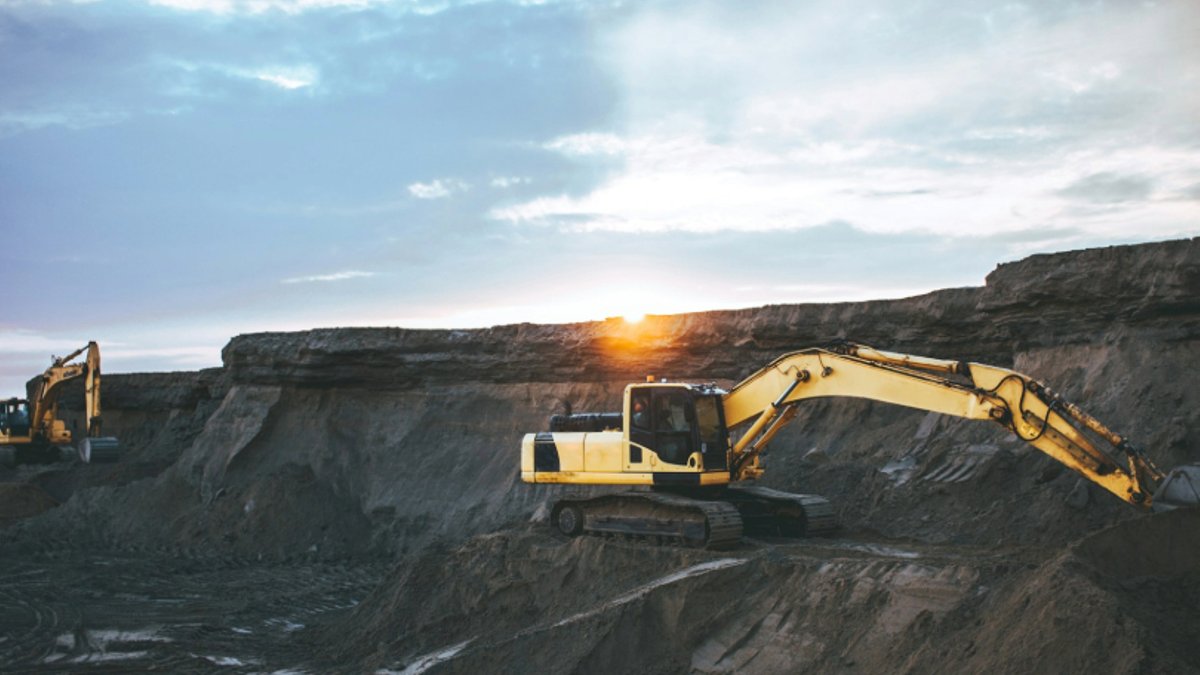
Vietnam is shifting its focus from raw material extraction to high-value manufacturing, prioritizing the processing and refining of critical minerals. The government aims to leverage its substantial resource base—including bauxite, tungsten, and rare earth elements—to strengthen its position in global supply chains. New legislation and tax incentives are designed to attract investment and enhance transparency, though challenges like logistics bottlenecks persist.
Strategic Shift Toward Deep Processing
During a high-level policy meeting in May 2026, President To Lam emphasized the need to prioritize deep processing and technological mastery over the export of raw resources. The administration is developing a national materials industry strategy through 2030, with a vision extending to 2045. Rare earths have emerged as a specific priority, alongside semiconductor materials, battery components, and advanced construction materials, to support sectors like electronics and clean energy.
Vietnam possesses some of the world’s largest rare earth reserves, concentrated in northern provinces such as Lai Chau, Lao Cai, and Yen Bai. Despite this, the sector remains underdeveloped with limited refining capacity. Policymakers are now emphasizing value-added production to build domestic capabilities in refining and advanced materials manufacturing. This approach seeks to strengthen Vietnam’s role in strategic global supply chains while attracting technology-intensive investment.
Resource Base and Major Operations
Vietnam’s mineral wealth supports a diverse range of industries. According to the US Mineral Commodity Summaries 2025, the country holds 5.8 billion metric tons of bauxite reserves, nearly one-fifth of the global total, concentrated in the Central Highlands of Dak Nong and Lam Dong. The Nui Phao mine in Thai Nguyen Province is the country’s main tungsten operation and one of the largest outside China, producing nearly all of Vietnam’s 3,400 metric tons of tungsten annually.
Antimony production is also growing, with projected market value reaching US$23.83 million by 2034 at a compound annual growth rate of 35 percent. Titanium production rose 10 percent in 2022 to 331,500 metric tons. Other resources include zinc, tin, manganese, lead, bismuth, and copper, with potential for polymetallic Fe-Mn deposits along the continental shelf. The country’s tariff situation with the US could impact exports.
Legal Framework and Investment Incentives
The Law on Geology and Minerals 2024 has reformed the mining sector by introducing a four-tier classification of mineral resources. The Ministry of Natural Resources and Environment (MONRE) oversees geological surveys and issues concessions for up to 30 years, extendable to 50 years for strategic projects. Most mining rights are now awarded through competitive auctions, though exemptions exist for national priority projects.
Investment incentives vary by project type. High-tech and mineral processing ventures, particularly those linked to battery materials, enjoy a 10 percent corporate tax rate for up to 15 years. Projects in Special Economic Zones or disadvantaged regions can access a 10 percent tax rate for 15 years, coupled with a four-year holiday and a 50 percent reduction for the next nine years. Extraction of rare minerals like silver, gold, and platinum faces higher taxation rates of 40-50 percent.
Related: Retirement plans get a new look
Challenges in Processing and Logistics
Vietnam’s mineral processing capabilities remain concentrated in upstream extraction, with limited downstream value addition. The country’s domestic technology supports only 40 percent of the necessary steps for producing high-purity rare earth oxides. Capital requirements are high, and energy costs can take up 25-35 percent of total expenses for aluminum and tungsten production. Technical expertise is also scarce, leading to reliance on foreign partnerships.
Transportation costs are a significant barrier, accounting for more than 60 percent of total logistics costs. Each aluminum plant makes around 23,000 annual trips between production sites and Go Dau Port. Road infrastructure depends on narrow mountain roads passing through residential zones, though the government is prioritizing the expansion of the North-South Expressway. Port capacity is under pressure, with Cai Mep-Thi Vai undergoing expansion to handle larger vessels.
Expansion Plans and Flagship Projects
Vietnam’s targets for bauxite exploitation are among the most formidable in Asia. The government plans to extract 114.5 million tons per year between 2021 and 2030, with deep processing targets of 11.6-18.65 million tons of alumina annually by 2030. VINACOMIN has allocated US$7.3 billion for new projects in Dak Nong Province, including the expansion of the Nhan Co Alumina Complex to 2 million tons per year by 2029.
Masan High-Tech Materials operates the Nui Phao Complex, producing high-purity tungsten chemicals like ammonium paratungstate (APT) and blue tungsten oxide (BTO). Vietnam Rare Earth JSC operates the country’s only light rare earth refining plant with an annual capacity of 5,000 tons, though it lacks the technology to separate individual elements or achieve 95 percent purity. The manufacturing sector remains heavily reliant on imports of machinery and raw materials from China, Japan, and South Korea. Investors can explore strategies for experienced traders to handle this market.
Recent developments in the bauxite sector, such as the proposed US$1.13 billion investment by TKV for a second alumina plant in Nhan Co, highlight the government’s commitment to expanding processing capacity. These efforts aim to reduce dependency on raw exports and integrate Vietnam more deeply into the global high-tech manufacturing ecosystem.
It is a step forward.

US Probe Could Raise Tariffs on Vietnam Exports


