


Vietnam’s middle class reshapes consumer markets
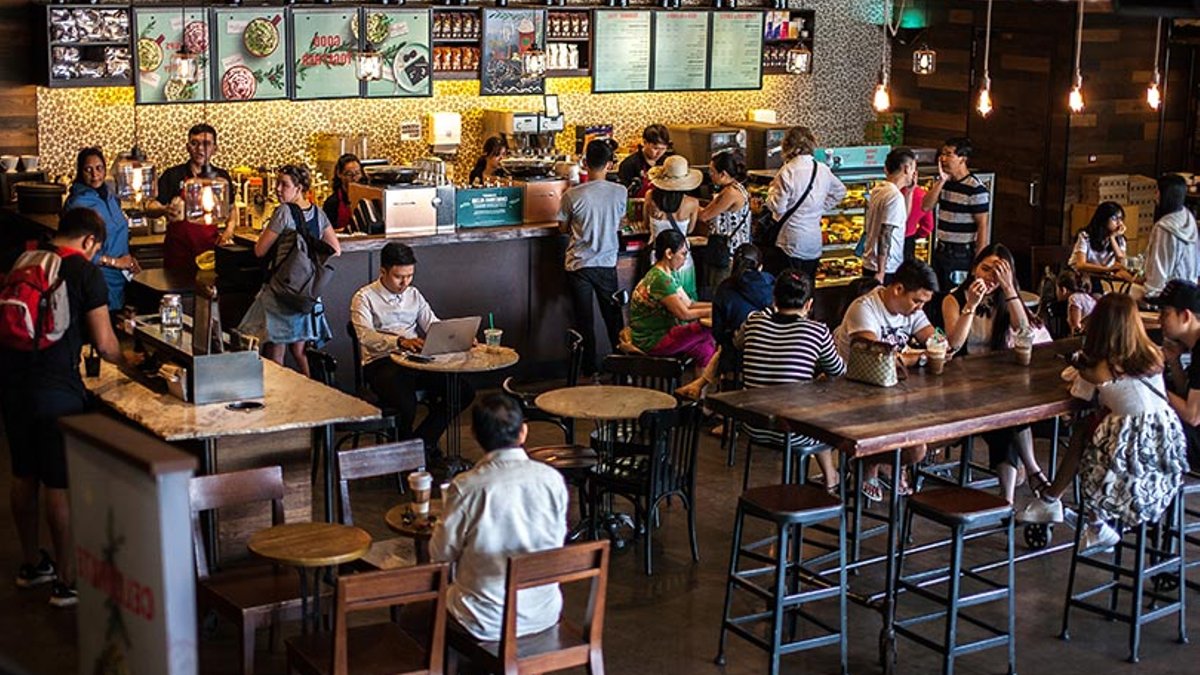
Vietnam’s middle class will expand to 26% of the population by 2026, creating a consumer base of about 26 million people. The country recently joined the World Bank’s upper-middle-income category, a change driven by rising incomes and steady economic growth.
Income growth reshapes spending habits
The average monthly income for Vietnamese workers reached 9 million dong (about $344) in the first half of 2026, an 8.7% increase from the previous year.
Price still influences most buying decisions, but other factors are gaining importance.
The country’s median age is now 33.9, and its population nears 102 million. A younger, urban, and digitally connected population is driving demand for e-commerce, digital payments, and higher-value products. Spending patterns reflect this change, with consumers focusing less on impulse purchases and more on value, health, and sustainability.
Businesses can no longer rely on price competition alone. Those combining affordability with quality, trusted branding, and digital engagement are succeeding. The trend is strongest in food and beverage, beauty, healthcare, and lifestyle services, where buyers pay more for products matching their priorities.
Manufacturing boom fuels economic momentum
Vietnam’s economic rise is linked to its role in global supply chains. From 2012 to 2022, exports grew at an average annual rate of 12%, exceeding the global average. That pace continued in the first half of 2026, with export turnover hitting nearly $266.5 billion, a 21% year-on-year increase.
Related: Global trade shifts reshape investment flows
Major companies like Samsung, Google, Microsoft, Apple, Nike, and Adidas have expanded their operations in Vietnam as part of “China plus one” strategies. Foreign direct investment reflects this confidence. By June 2026, total registered capital reached $34.65 billion, up 61% from the previous year. Newly registered capital jumped 87.2% to $17.39 billion, even as the number of new projects rose only 1.3%.
Gross domestic product grew 8.18% in the first half of 2026, supporting the goal of reaching upper-middle-income status by 2030 and high-income status by 2050. This growth translates into real purchasing power, especially in tier-2 and tier-3 cities where incomes are rising faster than before.
Opportunities are not guaranteed. While Ho Chi Minh City and Hanoi remain key markets for premium goods, businesses overlooking smaller cities risk missing a growing segment. The same applies to companies slow to adopt digital trends—consumers increasingly prefer AI-enabled services and personalized experiences, and those failing to adapt will fall behind.
The country’s middle class is not just expanding; it is changing. Buyers who once prioritized cost now seek better quality, convenience, health, and sustainability. For businesses, this represents an opportunity, but only if they align with the market’s direction.
Economic shifts are also expected to influence wage policies. Vietnam plans to increase its minimum wage next year, further supporting household spending power.

Global trade shifts reshape investment flows


