


Ben Tre Province Attracts New Investors
Investing in Ben Tre Province offers a mix of low costs, strategic location and growing sectors that attract both domestic and foreign capital.
Economic backdrop and growth trends
Ben Tre’s gross regional domestic product (GRDP) reached US$2.4 billion in 2020, growing 0.84 percent despite the pandemic’s impact. Per‑capita regional GDP stood at US$1,890 that year. The first half of 2021 saw a rebound, with GRDP expanding 6.47 percent and agricultural output rising 7.29 percent while industry grew 10.59 percent.
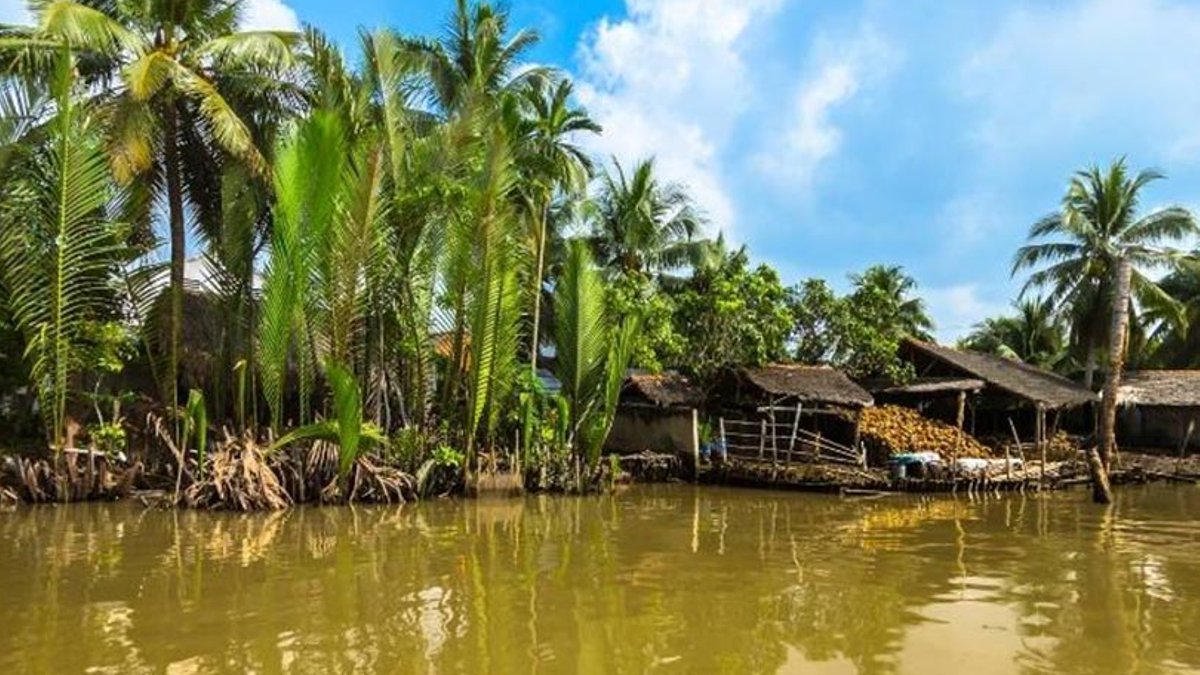
The province’s economy relies heavily on agriculture, forestry and fishery, which together accounted for 38.6 percent of GRDP in 2020. Known as Vietnam’s “Kingdom of Coconuts,” Ben Tre cultivates more than 73,987 hectares of coconut farms, producing roughly 645 billion coconuts annually. Coconut‑based products generated about US$346 million in export revenue, nearly a quarter of the province’s total exports.
Aquaculture also plays a key role. In 2020, total aquatic product output hit 533,788 tons, up 4.72 percent from the previous year. Catfish, white shrimp and black tiger shrimp together contributed 174,790 tons, 68,930 tons and 1,860 tons respectively. Major overseas markets include the United States, the European Union, Japan, China and Taiwan.
Related: Vietnam’s Chief Accountant Role Explained
Key investment sectors and incentives
Beyond traditional strengths in food processing, garment and packaging, Ben Tre is emerging as a hub for renewable energy, especially wind power.
Investors benefit from a lower corporate income tax rate and reduced land rentals.
Infrastructure, logistics and remaining challenges
Ben Tre sits on an island formed by the two main branches of the Tiên Giang River, part of the greater Mekong system. The province covers 2,360 km² and lies 86 km from Ho Chi Minh City and 120 km from Cần Thơ, the Mekong Delta’s core. Waterway transport is well‑developed, with three seaports—Bình Thắng, An Thủy and An Nhơn—and the Giao Long river port handling over 200,000 tons annually.
Road connectivity is less robust. The Tiên Giang River separates Ben Tre from neighboring provinces, leaving Rạch Miếu and Cô Chiên bridges as the main land gateways. While authorities are working on road upgrades, the timeline extends over several years, creating a niche for public‑private partnership (PPP) projects in construction and urban development.
Industrial clusters are still under‑utilized. As of 2020, ten clusters spanned 347.3 hectares, with only about 23 percent occupied. This low occupancy keeps operational costs low, offering a cost advantage for manufacturers considering relocation or expansion.
Related: Fuel market volatility affects tax teams
From a broader perspective, Ben Tre’s competitive ranking—eighth in the Provincial Competitiveness Index 2020—suggests that procedural ease and business‑friendly policies outweigh its lower GRDP position, which was 46th out of 63 provinces. Investors who can manage seasonal typhoons and occasional saline intrusion will find a province that balances risk with reward, especially as Vietnam pushes for regional development by 2025 and national goals by 2030.
Continued growth in renewable energy and high‑value agriculture is likely to drive further FDI inflows.
The province’s emphasis on industrial park construction and PPP opportunities signals an open market for infrastructure investors. Meanwhile, proximity to Ho Chi Minh City provides access to larger supply chains and consumer bases.
Potential investors should monitor infrastructure upgrades, especially bridge projects, and stay informed about climate‑related risks that could affect operations. Engaging with the Investment Promotion Center – South Vietnam portal can provide up‑to‑date details on incentives, site availability and regulatory procedures.

Vietnam's Chief Accountant Role Explained


