


Lithium Deposits Found Beneath China’s Battery Plants
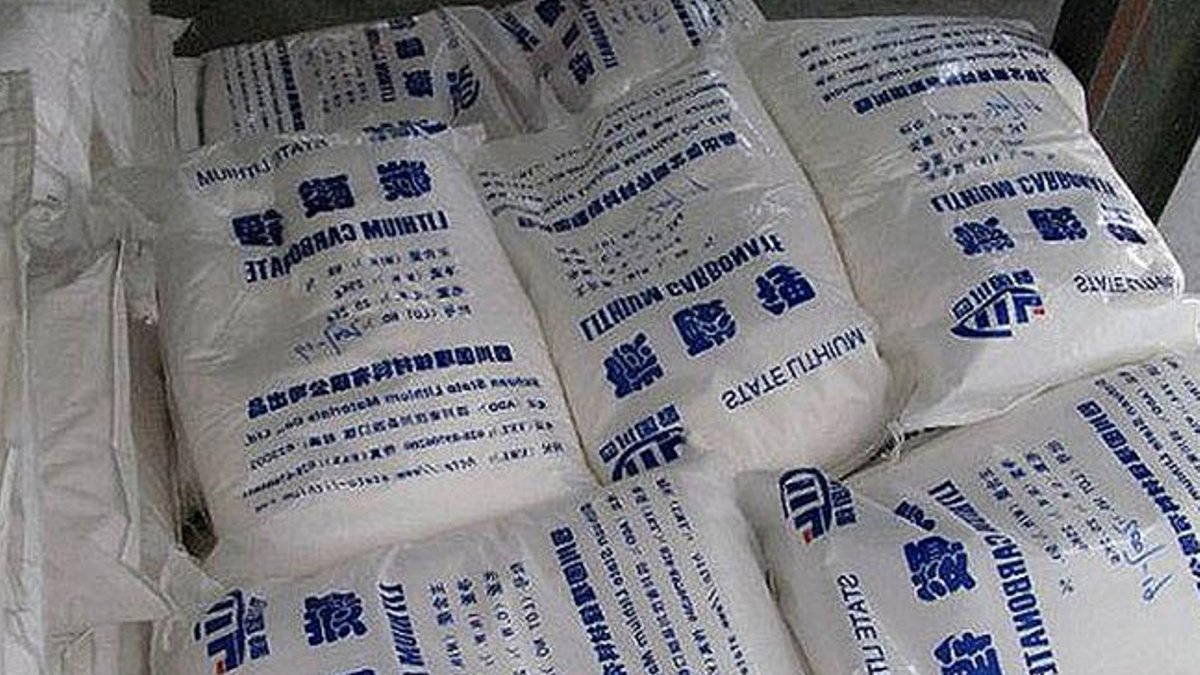
A new study released this month suggests that extensive lithium deposits may be situated directly beneath a large number of the nation’s battery manufacturing facilities, potentially reshaping the supply trends for the rapidly expanding electric-vehicle market.
Study suggests lithium may lie beneath battery hubs
Researchers have traced the origin of these deposits to ancient volcanic activity that produced extensive layers of volcanic clay; over thousands of years, this clay gradually absorbed lithium from surrounding waters, creating a hidden reservoir beneath the surface.
“Potential targets for clay-type lithium deposits in southeastern China overlap with lithium battery industrial clusters in East and South China,” a researcher told the South China Morning Post, highlighting the geographic coincidence between resource zones and production sites.
Duan Zheng of the Chinese Academy of Sciences added, “Local supplies could significantly reduce transport costs and supply-chain risks,” emphasizing the economic advantage of sourcing material close to factories.
The country currently controls roughly 70% to 80% of the global lithium supply chain, yet it ranks second in raw lithium production behind Australia, a contrast that shows the nation’s strong position in processing while still importing a sizable share of raw ore.
This dominance in lithium processing has only recently been recognized by overseas manufacturers as a strategic vulnerability, prompting many to reassess their sourcing strategies and consider the implications for long-term supply security.
If the under-plant resources prove viable, the nation could lessen its reliance on imported lithium, thereby leaving a larger portion of the metal available for end-users in North America and Europe, where demand for batteries continues to surge. Should these domestic deposits be brought online, China would cut its reliance on imported lithium, thereby freeing a larger share of the metal for battery manufacturers in North America and Europe, where demand continues to accelerate.
Lithium concentrations in the examined clay range from a few hundred to about 1,000 parts per million, levels that are modest by industry standards but nonetheless sufficient to warrant further exploration given the proximity to manufacturing hubs.
Commercial feasibility will hinge on future demand forecasts, and even low-grade ore might become attractive if the nation resolves its battery-making overcapacity, allowing producers to tap into previously uneconomic deposits.
For more than a decade, generous subsidies have spurred rapid growth across solar, wind, electric-vehicle and battery sectors, creating a supportive policy environment that continues to drive investment and expansion in clean-energy technologies.

U.S. Natural Gas Production Sets Second Consecutive Record


