


U.S. Natural Gas Production Sets Second Consecutive Record
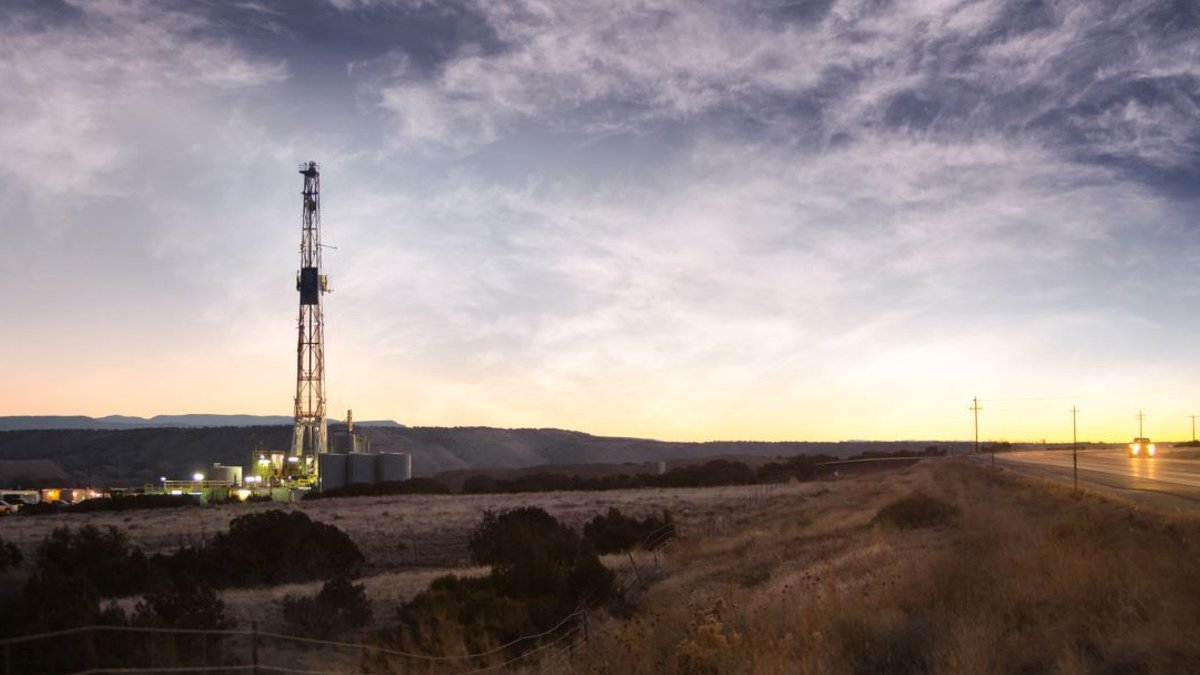
U.S. natural gas production is on track to set a second consecutive annual record as producers respond to rising domestic and international demand. The U.S. Energy Information Administration EIA projects dry natural gas production will reach 112.2 billion cubic feet per day bcfd in 2026, up from 107.64 bcfd in 2025, with further growth expected to 116.13 bcfd in 2027. This increase is driven by expanding liquefied natural gas LNG export capacity, surging demand for power generation at data centers supporting AI infrastructure, and heightened global spot LNG demand amid reduced Qatar supplies due to the Iran war.
Production Drivers and Regional Growth
Associated gas production in the Permian basin is increasing alongside oil output, while operators in the Haynesville basin are boosting gas extraction near LNG terminals and industrial users. The EIA forecasts average Henry Hub spot prices of $3.16 per million British thermal units MMBtu in 2027, a 9% decline from 2026 projections. This price drop reflects abundant supply meeting expanding export infrastructure and domestic consumption needs.
The EIA notes that rising production will outpace higher LNG exports, keeping prices relatively stable despite increased global competition. First-half 2026 LNG exports averaged 17.4 bcfd, a 23% increase from the same period in 2025, marking the fastest pace since U.S. exports began a decade ago. This surge aligns with new liquefaction projects coming online and global buyers seeking alternatives to Middle Eastern supplies.
Mergers and Strategic Expansion
Industry consolidation is accelerating as companies scale operations to meet demand.
Expand Energy, then the largest U.S. producer, emphasized a shift from supply-push to demand-pull trends driving structural domestic demand growth.
Market forces and Future Outlook
The transition to demand-driven production mirrors historical patterns seen during the 2000s shale boom, where infrastructure investments and export facilities unlocked previously inaccessible reserves. However, current growth differs in its speed and scale, fueled by immediate LNG export capacity expansions rather than prolonged development cycles. Data centers have become a critical domestic consumer, shifting power generation toward natural gas to support AI computing demands that strained traditional grid infrastructure.


