


US Treasury Grants Six-Month Russian Diesel Waiver
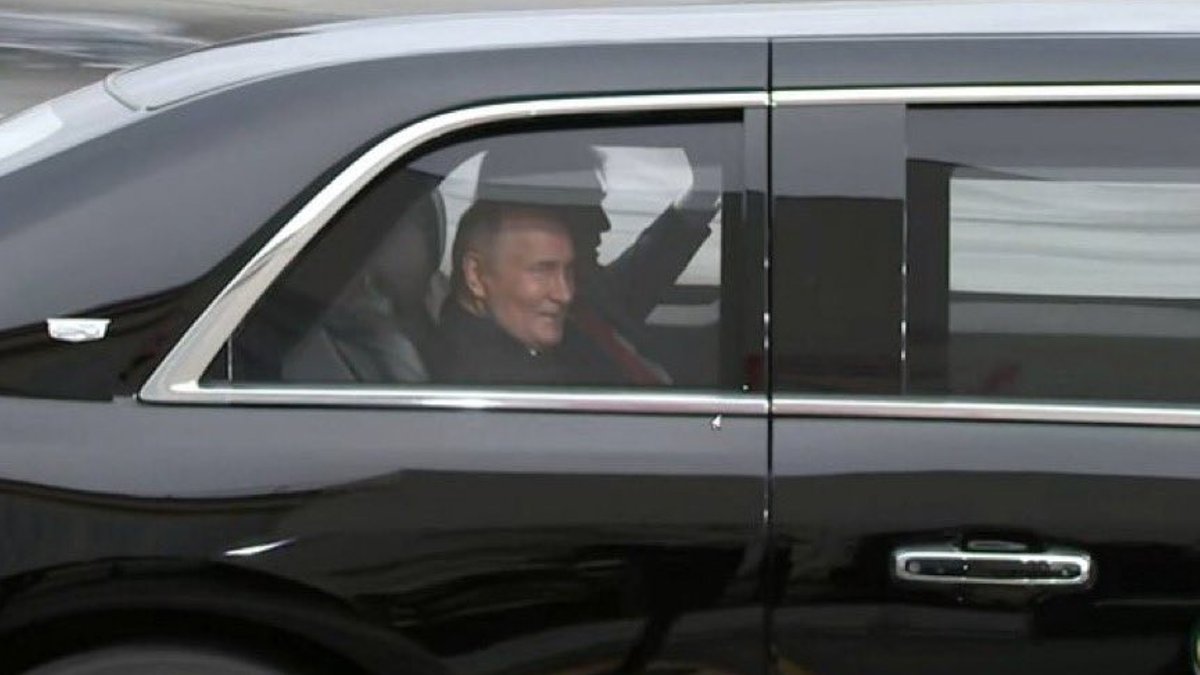
Following a call between President Trump and President Putin, the Treasury Department granted a six-month exemption allowing global sales of Russian diesel ahead of the Nov. 3 midterms.
The waiver lifts restrictions on diesel exports from Russia, allowing the fuel to re-enter global markets for half a year.
From Venezuela to Iran: a developing pattern
In Venezuela, U.S. forces captured President Maduro in January, after which Washington took control of the country’s oil exports. Shipments that once went to China fell dramatically.
Iran followed a similar trajectory.
Now Russia has become China’s main energy source after Gulf oil was restricted. The diesel waiver appears designed to reverse that flow, directing Russian energy toward Western markets.
Russian gas, Nord Stream and European interests
Reports indicate Washington and Moscow have discussed a role for a U.S. investor in the damaged Nord Stream pipelines. Ownership could give Europe a way to purchase Russian gas without overtly aligning with Moscow.
Without gas flowing through the pipelines, Europe’s economy could remain stagnant, as historical data links energy availability directly to economic growth.
In the middle of this debate, one can see a familiar strategic play: during the Cold War, superpowers used energy access to gain leverage, and today similar trends are emerging around European gas supplies.
U.S. investors might provide a “fig leaf” that lets Europe resume purchases while preserving political distance from Russia.
Beyond gas, the plan could open the door for U.S. oil firms, previously forced out by sanctions, to re-enter Russia and form joint ventures in the Arctic.
Such a shift would likely require Moscow to scale back its military and intelligence assistance to Iran, reshaping regional alliances.
Historical parallels and Moscow’s calculations
The strategy echoes the 1970s opening of relations with China by Nixon and Kissinger, which exploited a Sino-Soviet split. This time the aim appears to be pulling Russia away from Beijing.
Russia has long viewed its partnership with China as unequal, hoping for an alliance of equals that never materialized. Projects like the second gas pipeline to China have stalled for over a decade.
Re-entering the European market, which serves hundreds of millions of customers, could be tempting for Moscow, especially if it means easing sanctions.
In exchange, Russia might accept a peace settlement in Ukraine that falls short of its current objectives, a concession that could be portrayed as a diplomatic triumph in the United States.
President Zelensky is expected to oppose any plan that eases pressure on Moscow, and he may appeal to European allies for support.
Domestic and European political fallout
The immediate cost of the energy maneuver includes higher fuel prices, rising inflation and increased carbon emissions worldwide.
In the United States, higher energy costs could jeopardize Republican chances of retaining control of Congress in the upcoming elections.
After World War II, the United States launched the Marshall Plan to rebuild Europe, recognizing that a stable continent underpins the global economy. Today, Europe again needs affordable energy to power homes and industry.
Both major parties share a view that China poses the greatest challenge to U.S. influence, a stance echoed in the earlier “Pivot to Asia” strategy that sent naval vessels through the Taiwan Strait while deepening ties with regional allies.
The overarching goal, as outlined by observers, is to limit China’s economic growth while strengthening U.S. power and supporting Europe’s recovery. Whether Moscow will swap its partnership with Beijing for a seat at Europe’s table remains the key question.


