


US Officials Weigh Lifting Sanctions on Russian Sovereign Wealth Fund
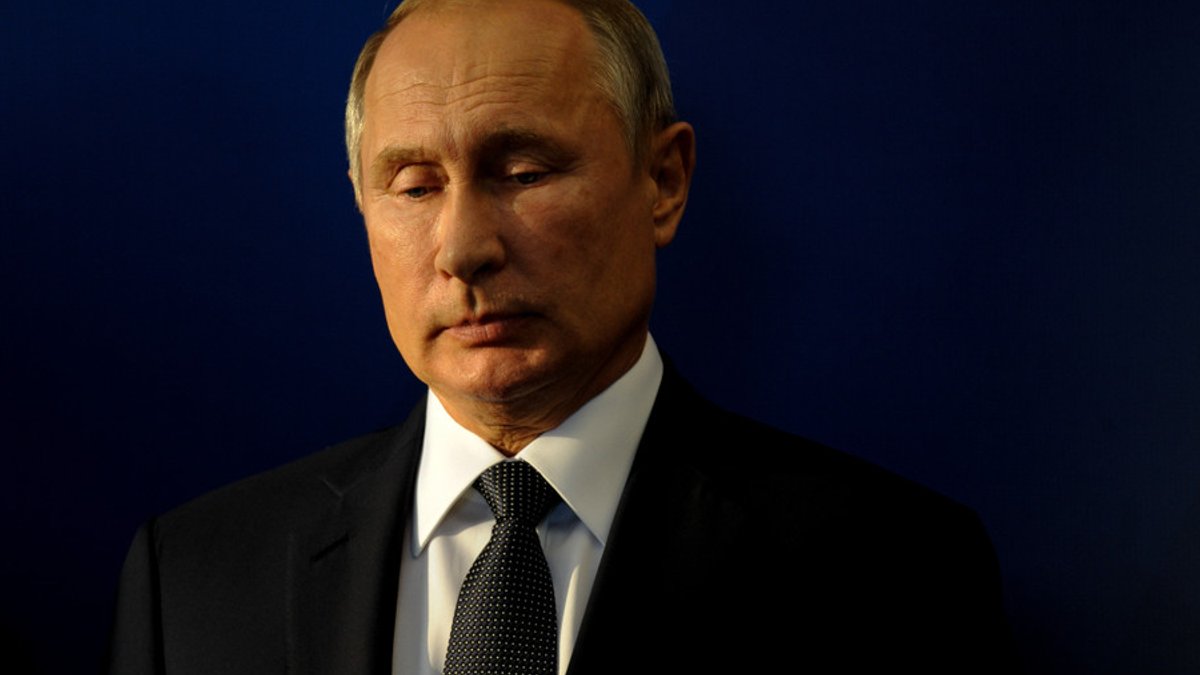
The United States and its allies imposed sweeping financial sanctions on the Kremlin shortly after Russia launched its full-scale invasion of Ukraine. The list of targets included the Russian Central Bank and a multibillion-dollar sovereign wealth fund known as the Russian Direct Investment Fund, or RDIF. American officials described the RDIF as “a slush fund for President Vladimir Putin [that] is emblematic of Russia’s broader kleptocracy.”
The Fund’s History and Operations
Established in 2011 during the period when Dmitry Medvedev served as president and Vladimir Putin as prime minister, the RDIF was created while global oil prices were high. Russia originally used such revenues to build two traditional sovereign wealth funds, the Stabilization Fund and the Reserve Fund. The RDIF, however, was designed for targeted investments in sectors like construction, telecommunications, and finance. The fund claims to have made 2.3 trillion rubles, or about $29 billion, in investments since its inception, with roughly 80 percent coming from partner funds.
The RDIF has drawn scrutiny from US regulators since 2015, a year after Russia annexed Crimea. At that time, the fund was linked to the state investment bank VEB, and the administration of President Barack Obama barred Americans from investing in it. The fund was later separated from VEB to operate as a standalone entity. Iikka Korhonen, head of research at the Bank of Finland Institute for Emerging Economies, described the fund as quite small relative to other mechanisms.
Its highest-profile investment came in 2020 during the COVID-19 pandemic, when the fund directed money toward the development of the Sputnik V vaccine. The fund aggressively promoted the vaccine, sometimes exaggerating its benefits, while criticizing Western alternatives. It also arranged the shipment of 45 Russian-made ventilators to the United States, though reports indicated US authorities were concerned about safety issues and disputed claims that the fund paid for the shipment.
The Negotiator and the Sanctions Debate
Kirill Dmitriev, the chief executive of the RDIF, is a central figure in these discussions. Born in Kyiv and educated at Stanford and Harvard, Dmitriev previously worked at Goldman Sachs and McKinsey. His wife, Natalia Popova, is a close friend of Katerina Tikhonova, the younger of Putin’s two daughters, and Dmitriev sits on the board of an innovation fund headed by her. He was appointed the fund’s first executive in 2012.
During the run-up to the 2016 US presidential election, Dmitriev held back-channel meetings with Erik Prince, founder of the private military company Blackwater. That meeting, documented in the Mueller report, took place in the Seychelles just weeks before Donald Trump took office. After Trump returned to the White House in 2025, Dmitriev was appointed the Kremlin’s special economic envoy. He has since taken the lead role in negotiations to rebuild business relations with US companies and end the war in Ukraine.
The push to lift sanctions on the RDIF is intensifying as US negotiators seek a settlement to the war. Kremlin foreign policy adviser Yury Ushakov confirmed on October 28 that discussions regarding the fund are taking place. “Dmitriev is actively reaching out, in particular, and therefore the question has come up and is being discussed,” Ushakov said.
Peter Harell, who served as a senior director on the White House National Security Council, noted that the fund has served as a vehicle for channeling investments into strategically important sectors for Putin. “We should all be clear-eyed about what unsanctioning RDIF would mean,” he said. “It would mean prioritizing American investment in Kremlin-aligned projects over supporting Ukraine.”
The Role of Diplomacy and Business Deals
RDIF and Dmitriev were also instrumental in a deal recently announced by the Trump administration to allow Russian diesel fuel to be imported into the United States. This deal has drawn scathing criticism from Democratic lawmakers and even some Republicans in Washington. They say it violates the spirit of a recently passed sanctions law, and several have threatened potential criminal liabilities for any American companies that import the Russian diesel.
Speaking at an energy conference in Moscow on October 16, Dmitriev criticized the US sanctions law as “misguided.” He touted other business deals he said were in the works between Moscow and Washington. “Naturally, progress is quite difficult; there is resistance, in fact, widespread resistance, from various quarters. Yet, as the example regarding diesel demonstrates, I believe we will soon be announcing several other significant initiatives,” he said. “The ice has, in fact, begun to break.”


