


Asia’s Energy Power Shift Drives Global Market Growth
Asia’s role in the global energy transition is rapidly expanding, with the region poised to shape the future of fossil fuels and renewables like never before. According to a report by McKinsey, Asia will drive approximately 70% of global net energy demand growth through 2040, requiring an annual investment of $1 trillion to strengthen energy security and meet rising demand. This growth is fueled by data centers, industrial expansion, and increased cooling needs, pushing energy demand to an estimated 370 million terajoules by 2040.
Coal’s Enduring Dominance
Despite the push for renewables, coal remains the dominant energy source in Asia, accounting for 47% of the region’s total primary energy mix. In the power sector, it supplies over 50% of electricity, with South Asia relying on it for 67% of power generation, led by India. While China is seeing a gradual decline in coal use due to renewable expansion, India and Southeast Asia’s growing electricity and industrial demands are keeping regional coal consumption steady. Coal-fired power is critical for grid reliability in Southeast Asia, where electricity demand is among the fastest-growing globally.
Thermal coal prices in Asia remain high due to reduced Chinese production, supply disruptions in Indonesia, and increased gas-to-coal switching in Japan and South Korea. Natural gas demand is projected to slow over the next decade as cheaper domestic coal delays the economic viability of renewables in some markets. However, long-term gas consumption is expected to rebound, driven by industrial sectors transitioning from oil and coal.
Renewables Gain Ground
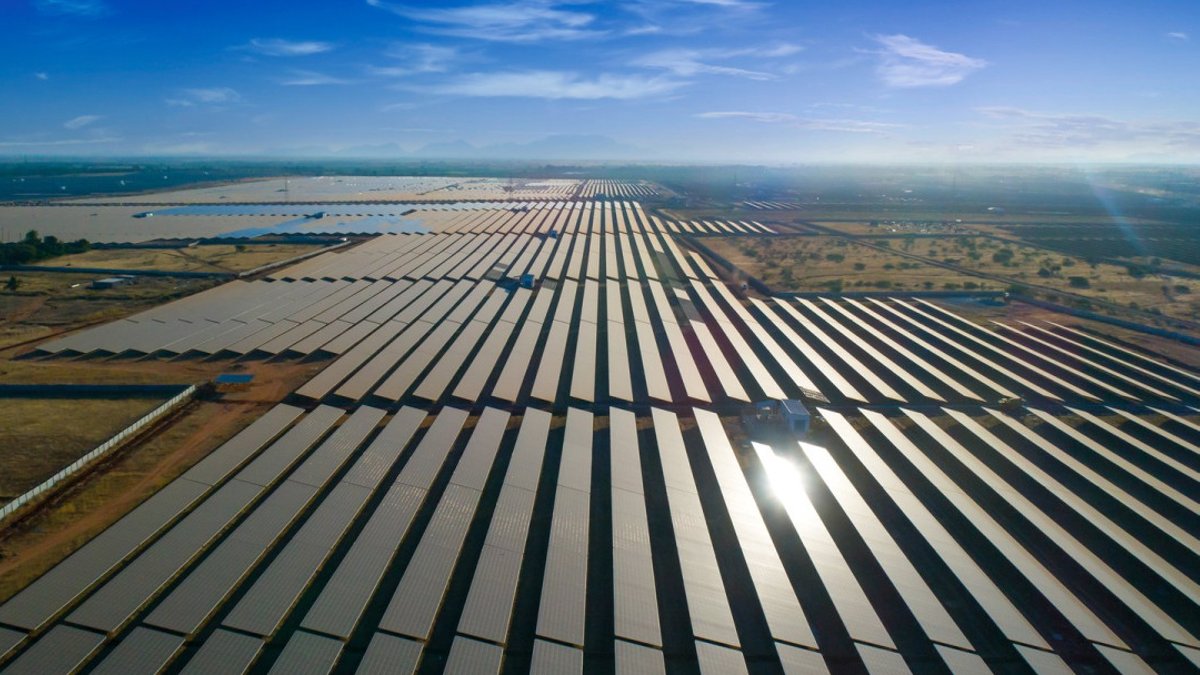
Renewable energy investments in Asia are accelerating, with $300 billion annually needed for wind and solar infrastructure, concentrated in India and Southeast Asia. Utility-scale solar photovoltaic (PV) is now the cheapest power source in most Asian markets, driven by falling equipment and capital costs. While coal delays the tipping point for renewable energy in countries like India, solar costs in the broader Asia-Pacific region have dropped 13% below conventional coal, with projections of a one-third cost advantage by 2030.
Solar officially surpassed gas as Asia’s third-largest power source in the 12 months leading up to April 2026. China also achieved a milestone, generating less than 50% of its electricity from coal for the first time in the first half of 2026. Onshore wind has reached cost parity or undercut fossil fuels in key markets, supported by Chinese manufacturing scale and localized supply chains. Battery storage systems, which have fallen 93% in price over 15 years, are making solar-plus-storage and wind-plus-storage competitive alternatives to peaking gas plants.
Biofuels as an Import Substitute
Biofuels are emerging as a strategic tool to reduce Asia’s reliance on imported oil. McKinsey projects that biofuels could replace $90 billion to $100 billion in fuel imports by 2040. Global output of these fuels is expected to surge nearly 70% by 2030, driven by countries raising blending mandates after the Middle East conflict disrupted supply chains. India, which introduced an E20 ethanol-petrol blend, is advancing toward E30 standards, with government guidelines ensuring fuel retailers prepare for higher blends compatible with modern engines.
Indonesia, the world’s largest palm oil producer, has implemented B50, a 50% palm oil biodiesel blend, aiming to eliminate diesel imports. The program requires 16.7 million to 18 million kiloliters of biodiesel annually, consuming 15.2 million to 16.3 million metric tons of crude palm oil. This shift could cut Indonesia’s fuel import bill by $9.4 billion in 2026 and reduce carbon dioxide emissions by 44 million metric tons annually, a 42% decrease compared to conventional diesel.

Syria Rebounds as Regional Energy Hub Post-Sanctions


