


Azerbaijan’s renewable energy share grows to 20%
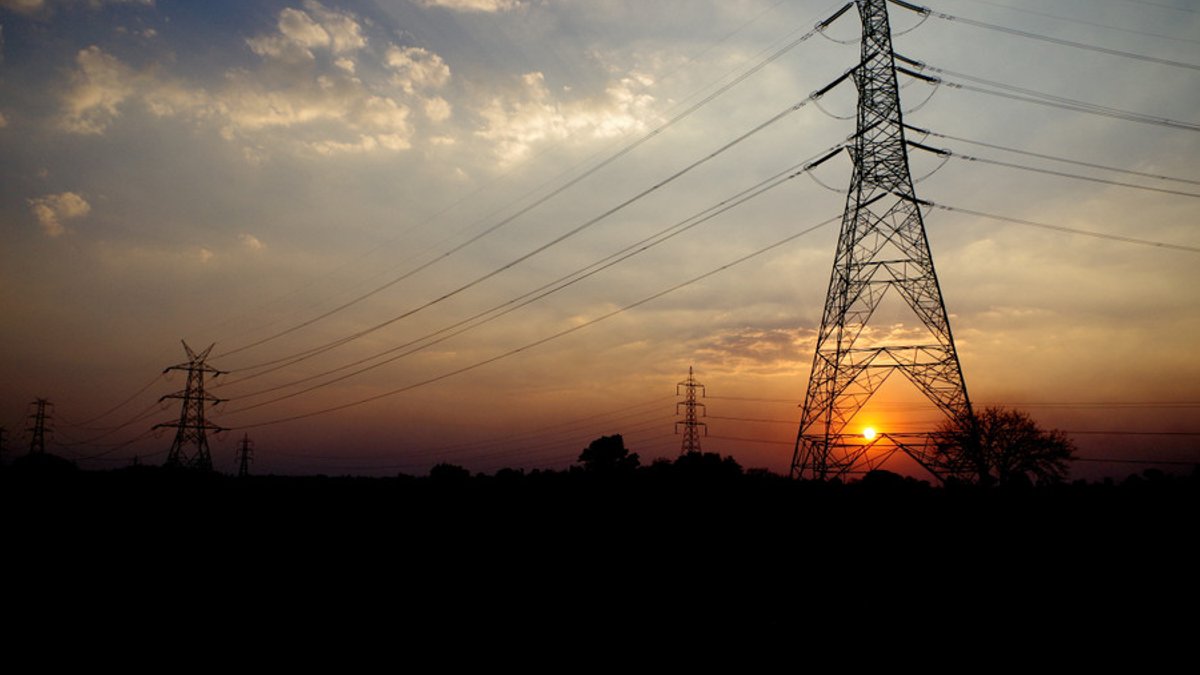
Azerbaijan is swiftly diversifying its energy portfolio, transitioning from a dominant oil and gas producer to a significant contributor in the renewable energy sector. In the initial nine months of the year, renewable sources accounted for 20 percent of the nation’s total electricity generation, a notable increase from 13.4 percent in 2025.
Impressive Growth in Sustainable Energy
From January to September 2026, Azerbaijan generated 21.2 billion kilowatt-hours of electricity, a substantial portion of the 28.7 billion kilowatt-hours produced throughout 2025. The government aims to raise the renewable share in its overall electricity generation capacity to 33.3 percent by 2027.
The nation boasts a vast renewable energy potential, estimated at 135 GW onshore and 157 GW of offshore wind capacity in the Caspian Sea. By 2032, Azerbaijan plans to develop 8 GW of renewable energy capacity, with 2 GW expected to be operational by 2027.
Pioneering the Shift
Certain regions are advancing more rapidly than others. The Nakhchivan Autonomous Republic achieved a milestone by meeting 100 percent of its electricity needs through renewable sources from April 21 to July 2, as acknowledged by Energy Minister Parviz Shahbazov.
The expansion of renewable capacity, primarily through solar and wind initiatives, enabled Azerbaijan to conserve approximately 840 million cubic meters of natural gas in the first nine months of the year, thereby reducing carbon emissions from fossil fuels.
Ambitious Renewable Projects
Azerbaijan is intensifying efforts to develop solar and wind farms to meet its clean energy objectives. Plans are in place to launch 11 solar and wind power plants with a combined capacity of 2 gigawatts. Three facilities, totaling 570 MW, are already operational.
Read Also: US Officials Weigh Lifting Sanctions on Russian Sovereign Wealth Fund
By year-end, the government anticipates commissioning the 445-MW Bilasuvar and 25-MW Shams 1 solar power plants. Progress is also underway on the UAE-based Masdar’s 200-MW wind power project.
Additional renewable projects slated for completion next year include the 315-MW Neftchala, 240-MW Shafag, 50-MW Shams, 50-MW Ufug, and 25-MW Western Ufug solar plants. These projects are projected to generate 5 billion kilowatt-hours annually, potentially reducing gas consumption by over 1.1 billion cubic meters and cutting carbon emissions by 2.4 million metric tonnes.
Foreign Investment and Future Initiatives
Energy Minister Parviz Shahbazov announced that renewable energy auctions are set to begin in 2028 to further stimulate development. The government is also investing in battery energy storage systems and grid enhancements, including the AZURE project, Navoi substation, and new 500-kilovolt transmission lines.
By 2027, Azerbaijan plans to invest approximately $2.6 billion in renewable energy and grid infrastructure, with $600 million allocated to strengthen the grid. The government is also supporting domestic green energy manufacturing, with a solar panel production project underway and plans for wind turbine blade and tower manufacturing in the Alat Free Economic Zone.
While Azerbaijan currently lacks a nuclear power program, the government is exploring its development. In April, Minister Shahbazov stated, “We are moving to a new model and will ensure energy security not only through hydrocarbons, but also through electricity, including renewable sources. In addition, we have decided to include nuclear energy in our energy balance, as we consider it a clean energy source and an important component of the future energy mix.” The International Atomic Energy Agency conducted a legislative assistance mission to Azerbaijan in late 2025 to support these efforts.

US Officials Weigh Lifting Sanctions on Russian Sovereign Wealth Fund


