


Rare earth metal prices surge in America
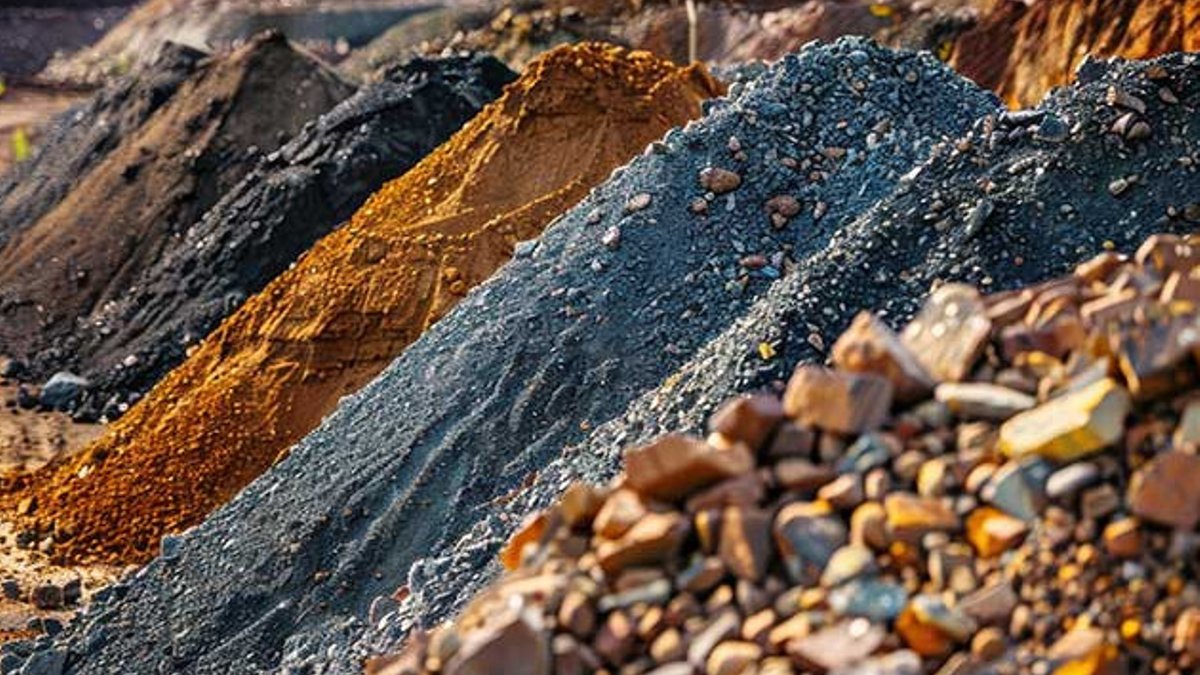
Samarium sells for as much as 346 times the price in North America compared with China, a gap that could become the norm if Beijing curtails exports. The metal is a core component of neodymium-iron-boron magnets used in jet engines, industrial motors, electric vehicles, wind turbines and medical scanners.
Other rare-earth price spikes raise alarm
Beyond samarium, dysprosium now costs roughly five times more and yttrium more than one hundred times the Chinese rate. Japan has already begun stockpiling as it anticipates a year-end shortage of yttrium. U.S. officials are reportedly requesting assistance to avoid a similar supply crunch.
REalloys positions itself amid the shortage
REalloys (NASDAQ: ALOY) is targeting the emerging gap in the rare-earth supply chain. While billions of dollars flow into new mining and magnet-manufacturing projects, analysts say that without domestic metallization capacity the shortage will persist.
The Pentagon has signed a ten-year deal with MP Materials, guaranteeing a floor price of $110 per kilogram for NdPr. The arrangement is designed to shield the U.S. producer from price collapses that have historically forced Western miners out of the market.
China controls more than 90% of the world’s 210,000-tonne capacity for metallization – the step that turns oxides into usable metal. Canaccord Genuity describes this stage as a “major blind spot” for Western supply chains. Strip casters needed for the process can take up to two years to arrive, and current export controls make purchasing them from China “impossible.”
Analysts expect magnet-plant capacity outside China to more than triple to about 70,000 tonnes by 2030. In contrast, non-Chinese metal and alloy capacity is projected to reach only 38,000 tonnes over the same period, leaving a sizable deficit for new factories.
These numbers illustrate why the metallization bottleneck matters more than headline prices. Even if raw ore becomes available, manufacturers still need a domestic source of refined metal to keep production lines running. The gap forces Western firms to either rely on limited Chinese supplies or compete fiercely for scarce alternative sources.
Related Post: How to Design a Custom Diamond Engagement Ring from Scratch
The company operates a facility in Euclid, Ohio, that it claims is the only heavy-rare-earth metallization plant in North America. It has secured feedstock rights covering roughly 80% of the Saskatchewan Research Council’s output, including about 525 tonnes of NdPr metal each year, plus dysprosium and terbium.
Under a Defense Logistics Agency contract, the firm is designing a plant for samarium and gadolinium, metals that currently lack any established commercial production in the United States. The premium on samarium highlights the economics of a supply chain outside Beijing’s control.
At the end of June, REalloys reported $122.4 million in cash and said its Saskatchewan and metallization expansions are fully funded, giving it ample liquidity to scale up the part of the supply chain that analysts predict will be most constrained.
Global demand for rare-earth magnets could reach 365,000 tonnes annually by 2035, according to recent forecasts. The International Energy Agency projects a 50% increase in demand for magnet rare earths outside China by that date, warning that non-Chinese metallization capacity will remain severely inadequate even if all announced projects proceed.
Critical-minerals competition expands beyond rare earths
Meanwhile, mining giants are scaling copper operations to match electrification needs. BHP reported nearly two million tonnes of copper in fiscal 2026, while underlying EBITDA rose close to half.
Projected shortages sharpen focus on metallization
Industry forecasts highlight a looming shortfall in heavy rare-earth alloys. Independent research predicts annual demand for dysprosium and terbium will climb close to nine percent.


