


Saint Laurent shoe designer prefers being called a dream maker
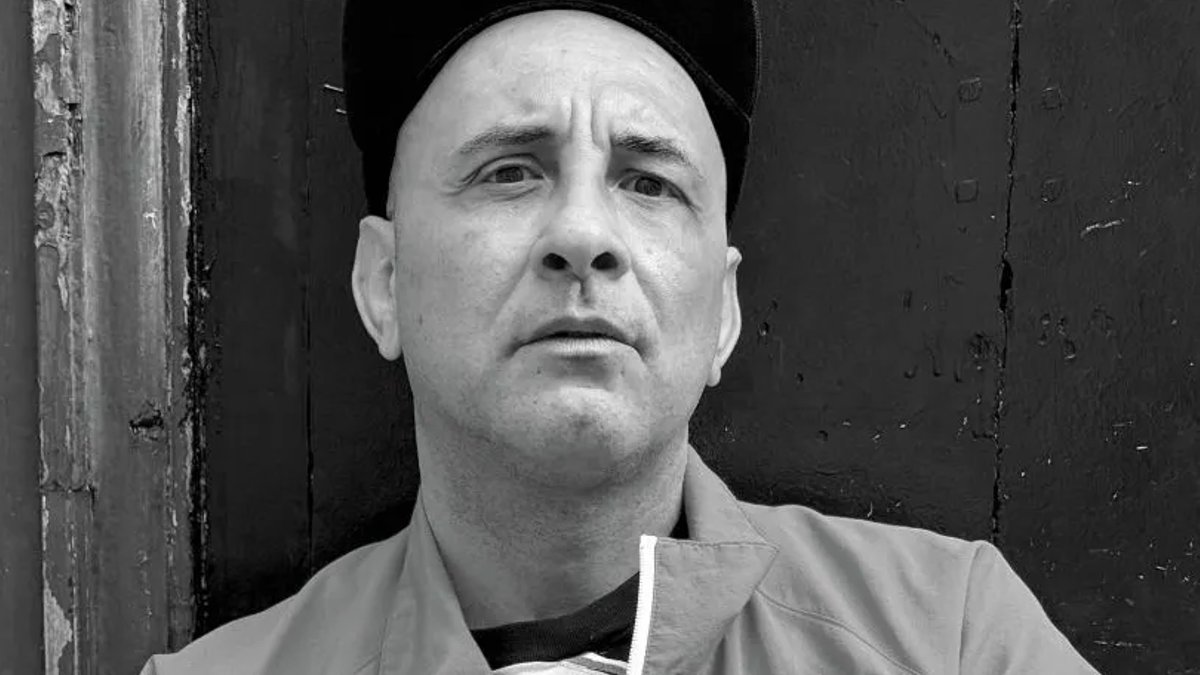
Corrado De Biase has designed footwear for Saint Laurent since 2016, working alongside creative director Anthony Vaccarello. His creations have appeared on celebrities including Madonna, Hailey Bieber, Rosé, and Zoë Kravitz. De Biase describes himself not as a shoe designer, but as a “dream maker.” He prefers when a regular woman buys his work after seeing it online rather than when it appears on a famous face. According to the interview, De Biase prefers to be called a dream maker rather than a shoe designer.
The Saint Laurent Signature
De Biase arrived at Saint Laurent after a career building shoes for Fendi and working with Karl Lagerfeld and John Galliano. Poi arriva Fendi, nel 2002, e arriva la calzatura. Da lì una carriera costruita accanto ai nomi più importanti della moda. He says he never chose a brand for its name or pay, but for the creative director in charge. His first project for Vaccarello was the Opium pump, a shoe featuring a Y-shaped heel made entirely of steel.
Read Also: Victoria Beckham Holdings reaches 600 million valuation
The technical demands of this design are extreme. The pointed toes on Saint Laurent’s metal heels are so sharp they require modified assembly machines. The metal heels need up to 24 hours of work to produce. Quanto è importante la tecnica nel suo lavoro? Moltissimo. Oggi quello che fa Saint Laurent nelle calzature non lo fa nessun altro. L’approccio non è semplicemente «facciamo il tacco a spillo» o «facciamo la punta più lunga». È una ricerca portata a un livello di eccellenza. De Biase says Saint Laurent does not simply make a spike heel or a longer toe, but pursues a level of excellence in technique and form.
De Biase does not keep a collection of his own shoes at home. He views the finished product as something that has “died and become old” once it leaves the workshop. Ha un attaccamento particolare alle sue creazioni? No. Una volta che una scarpa è fatta, per me è già morta e vecchia. Voglio vedere che cosa succede dopo. He compares this attitude to Karl Lagerfeld’s, noting that fashion is not nostalgic. The process of creation interests him more than the finished object.
From Italian Provinces to High Fashion
The designer grew up in Molfetta, a town in Puglia. Poi arriva Fendi, nel 2002, e arriva la calzatura. Nato a Molfetta, cresciuto con quella dose di immaginazione mediterranea che attribuisce alla sua passione per Gianni Versace. He credits his Mediterranean upbringing with shaping his appreciation for Gianni Versace. He lists Lagerfeld and Galliano as his other creative idols. He admires Galliano for creating an environment where other designers feel safe expressing their own viewpoints.
Read Also: Piquadro revenue falls by three percent
De Biase avoids traditional research methods. He does not use moodboards and works in silence without music. Ha un moodboard quando comincia una collezione? No. Odio quello che la gente chiama «fare ricerca». Se vieni nel mio ufficio e mi chiedi l’ispirazione di una collezione, non c’è niente. È tutto nella mia testa. Non c’è neanche un moodboard. Il moodboard lo devi avere nella testa. His office contains ceramics instead of shoe designs. He collects ceramics because he is obsessed with craftsmanship. He says the process of building a collection works like a library inside his brain, where he retrieves images and memories to match a silhouette.
De Biase focuses on the emotions a shoe should provoke. He cites a Japanese lacquer and mother-of-pearl box from 1820 as an example. The object has no practical use, yet it still generates emotion through its beauty. His goal is to replicate that feeling through footwear. “When I draw a shoe, I want to provoke in the person the same emotion I feel when I buy an object that maybe serves no purpose,” he said. Solo per una sfilata facciamo 200 modelli. Ma noi lavoriamo su 3 mila modelli l’anno.


